
Oeno Blog
Regions, grapes, tasting, pairings: our articles to help you choose your bottles and know when to open them. Find them in the app too.
 Guide
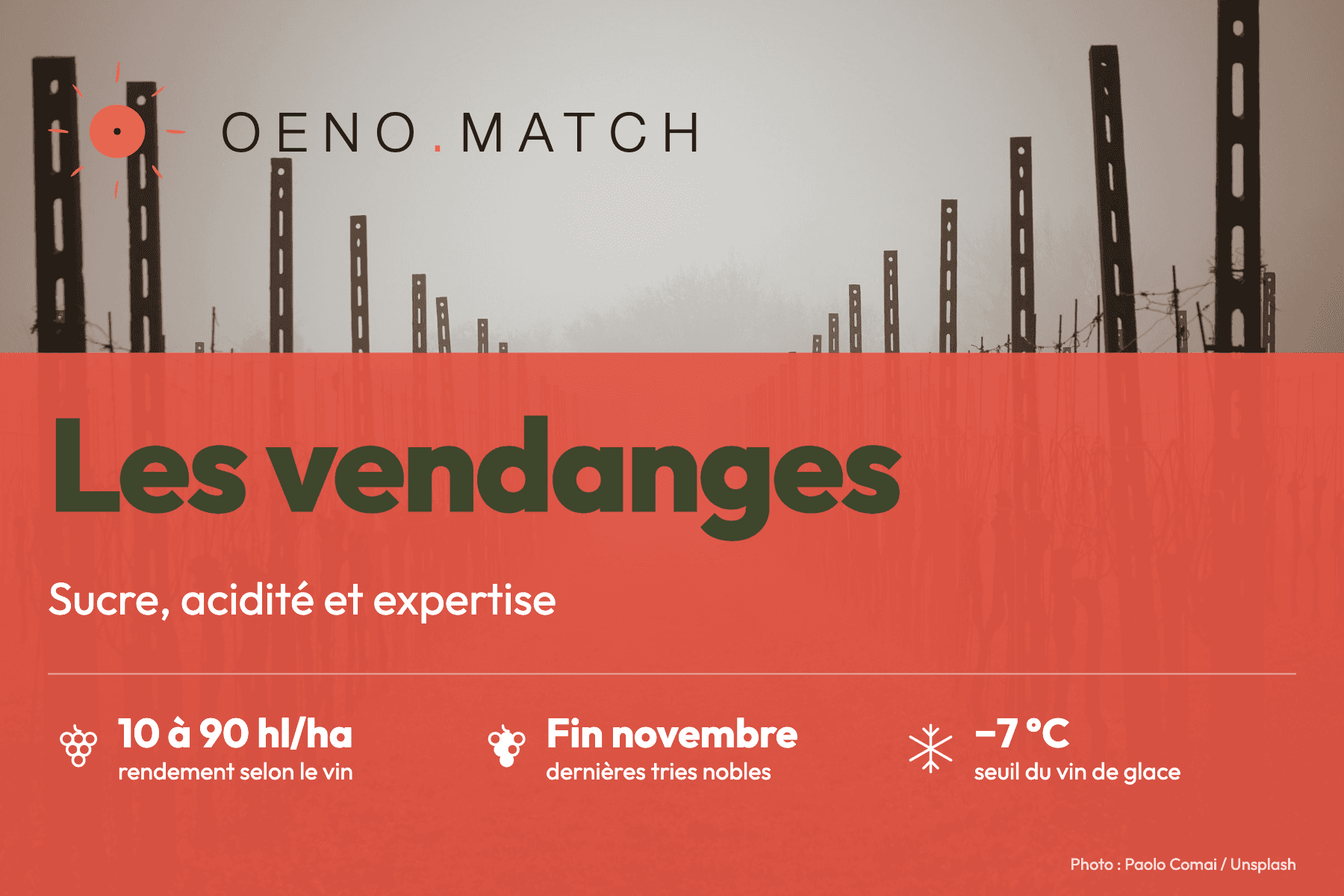
GuideHarvest: a variety of expertise
October arrives. The leaves darken, the vines are stripped bare row after row, and in most European estates, the vats are already full. The harvest is finished, or nearly so. But while the vine enters its winter rest, a few winemakers wait still, eyes fixed on the thermometer or on bunches covered with a veil of golden mold…
 News
NewsChianti against counterfeiters: AI on the front line
Chianti is one of the most recognized wine names but also one of the most copied. For several years, the Consorzio Vino Chianti has pursued an active digital protection strategy for its appellation, relying in particular on artificial intelligence tools capable of monitoring the internet on a large scale.
 News
NewsGlyphosate in our glass
Glyphosate in your glass? The question has become concrete. VinePair devoted several episodes of its "Wine 101" podcast to this subject, drawing in particular on data provided by Gabriella Macari of Macari Vineyards, to document the presence of this molecule in vineyards and, by extension, in certain wines.
 Guide
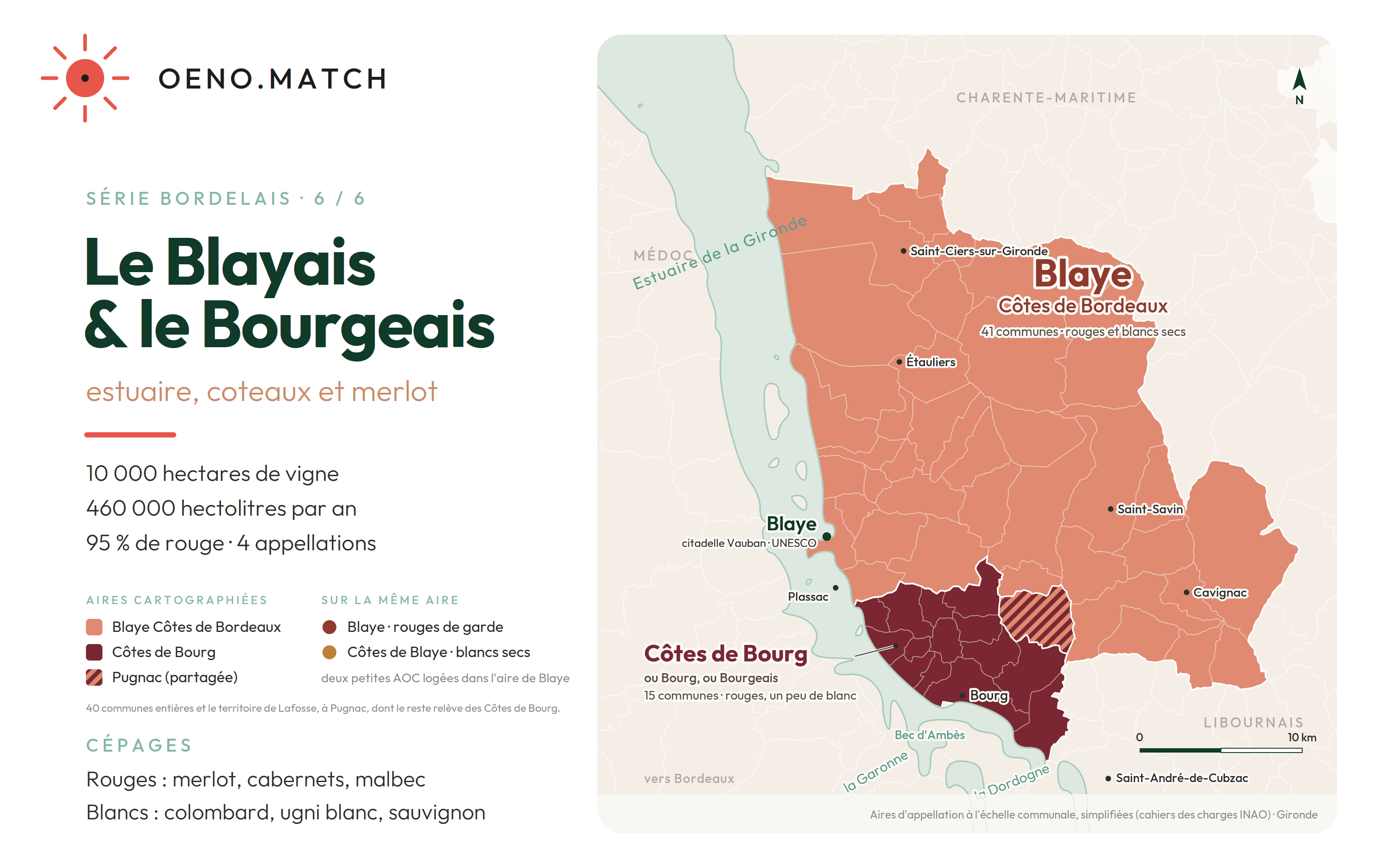
GuideBordeaux - Blayais and Bourgeais (6/6)
Between the Gironde estuary and the Charente hills, Blayais and Bourgeais occupy a geographical position that few enthusiasts truly know how to place. Yet this dual region produces approximately 460,000 hectolitres annually across some 10,000 hectares, with 95% red wines and the remainder dry whites. A considerable volume…
 Guide
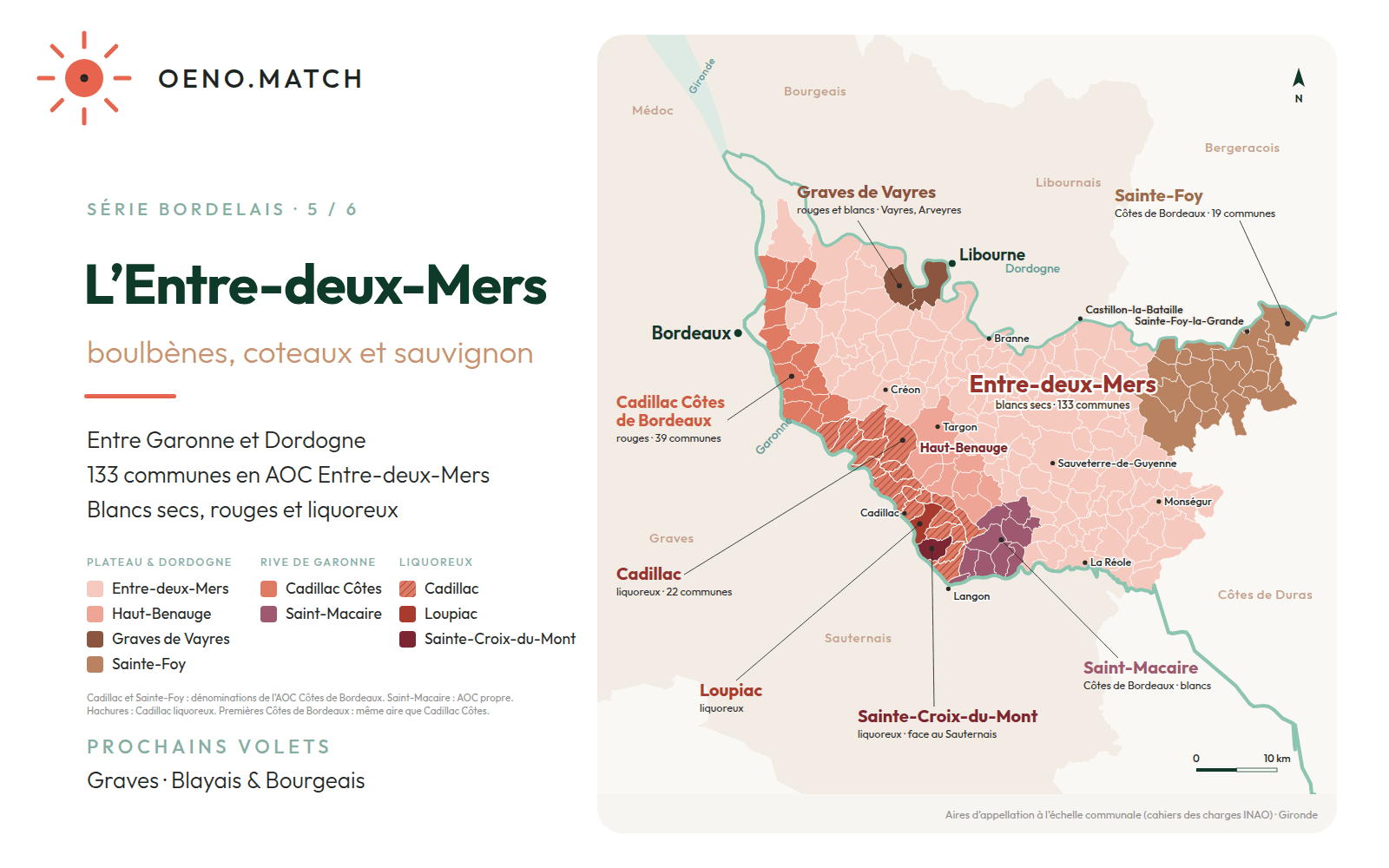
GuideBordeaux - Entre-deux-Mers
Between the Garonne and the Dordogne, a vast expanse of vineyards stretches across approximately 5,000 hectares, squeezed between two rivers that gave it its name. Entre-deux-Mers is not a sea, of course, but this triangular territory in the heart of Gironde has long been perceived as a distinct space, neither quite left bank nor quite right bank, with a viticultural identity that enthusiasts sometimes struggle to grasp correctly.
 Guide
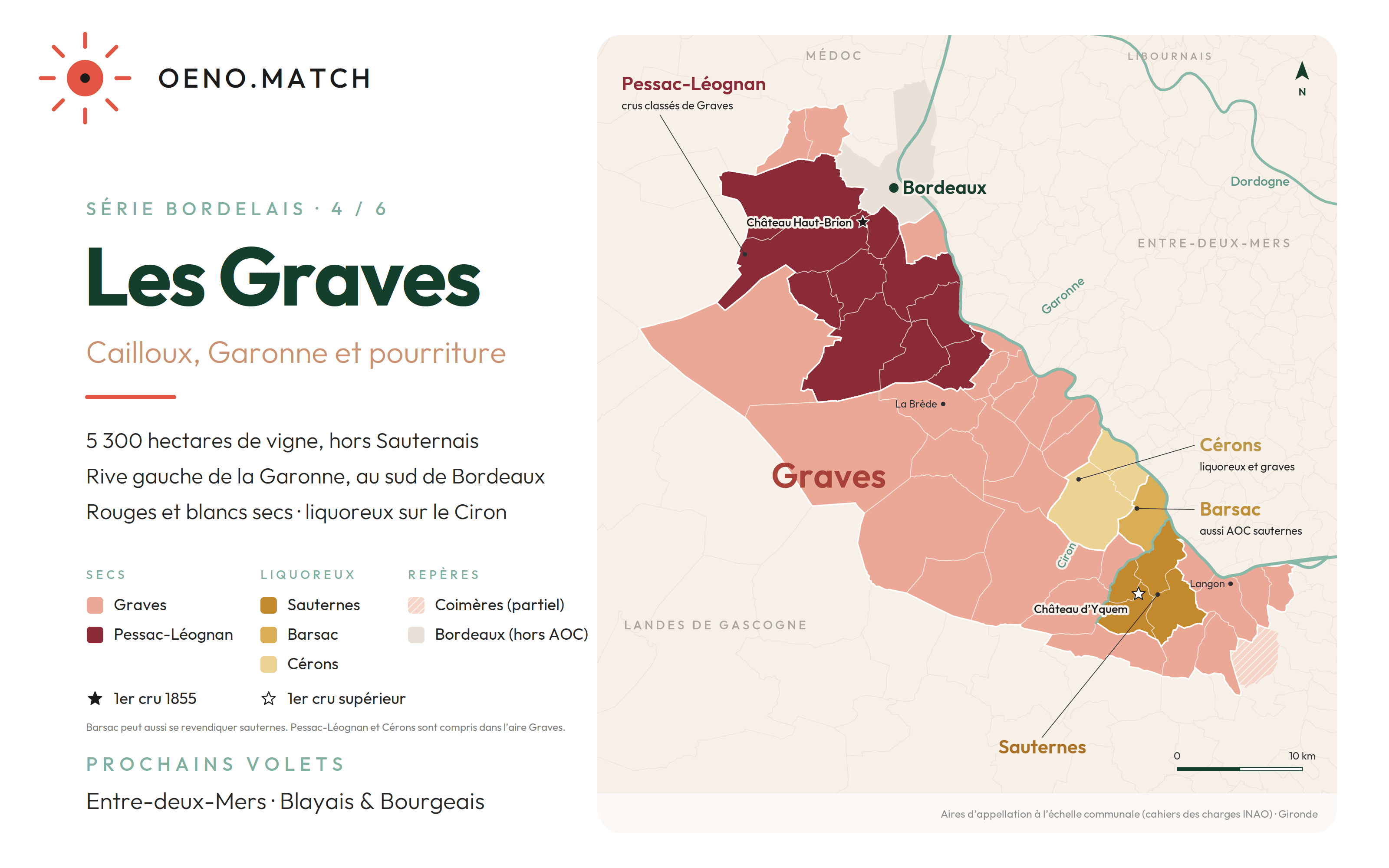
GuideBordeaux - The Graves (4/6)
The Graves are one of the oldest vineyards in Bordeaux. Vines have been present there since Roman times, and it is in the Middle Ages that the name of the region appears, directly inspired by the rolled pebble soils that characterize it, the grabas of Burdeus. These graves, pebbles shaped by the Garonne, are determining factors in the viticultural identity of this sub-region: they drain water and accumulate heat during the day which is released at night. Planted in close proximity to Bordeaux, on the left banks of the Garonne and Gironde, these vineyards extend over 5,300 hectares and produce approximately 220,000 hectoliters per year.
 Guide
GuideThe Bordeaux Region - Libournais (3/6)
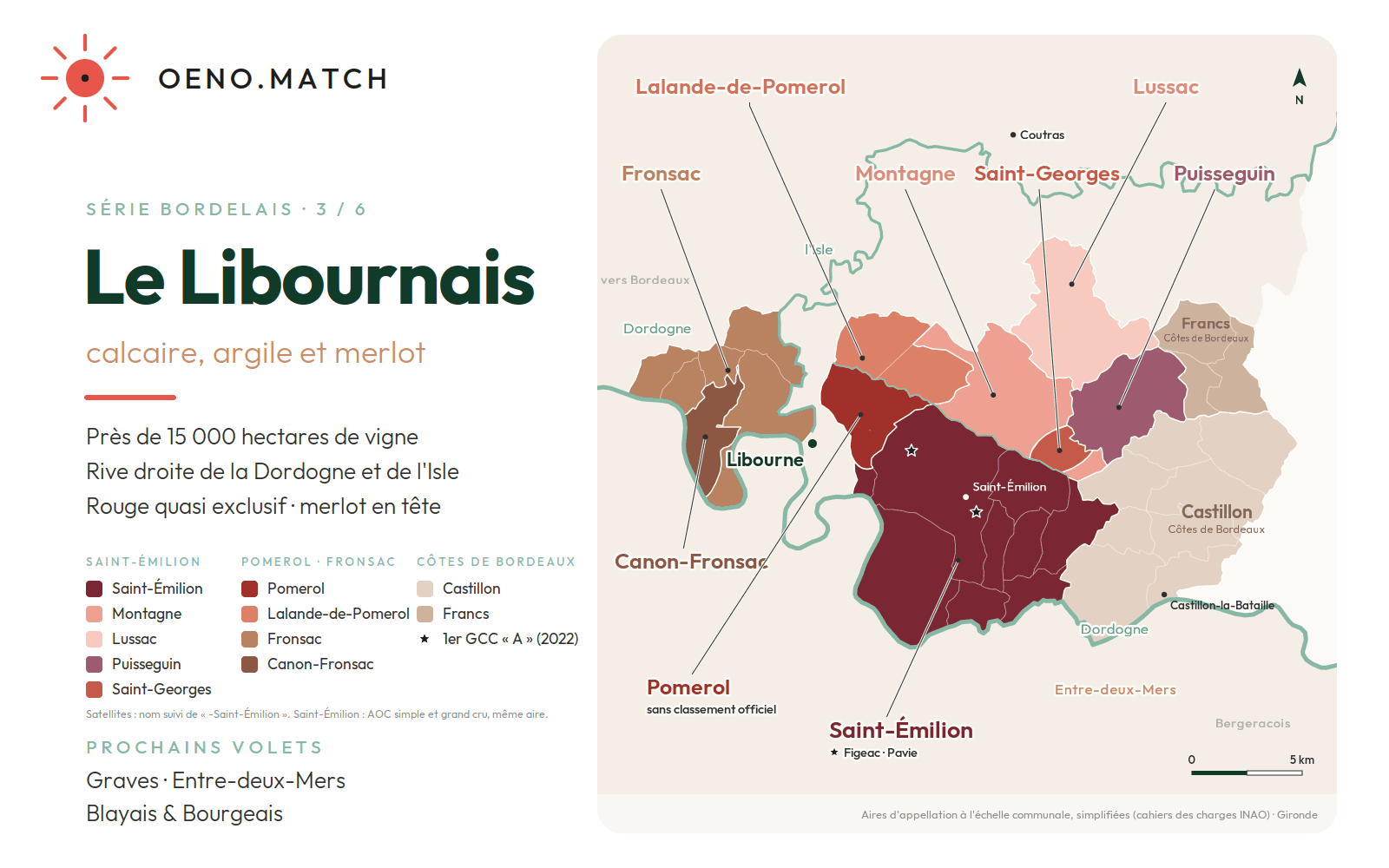
Libourne, founded in 1270 by Roger de Leyburn, English seneschal of Gascony, long served as a commercial lock on the Dordogne before becoming the heart of one of Bordeaux's densest vineyards. The town gives its name to an entire riverbank, and this riverbank has come to build a viticultural identity radically different from that of the Médoc, despite being situated just tens of kilometers away as the crow flies.
 Guide
GuideBordeaux - Médoc (1/6)
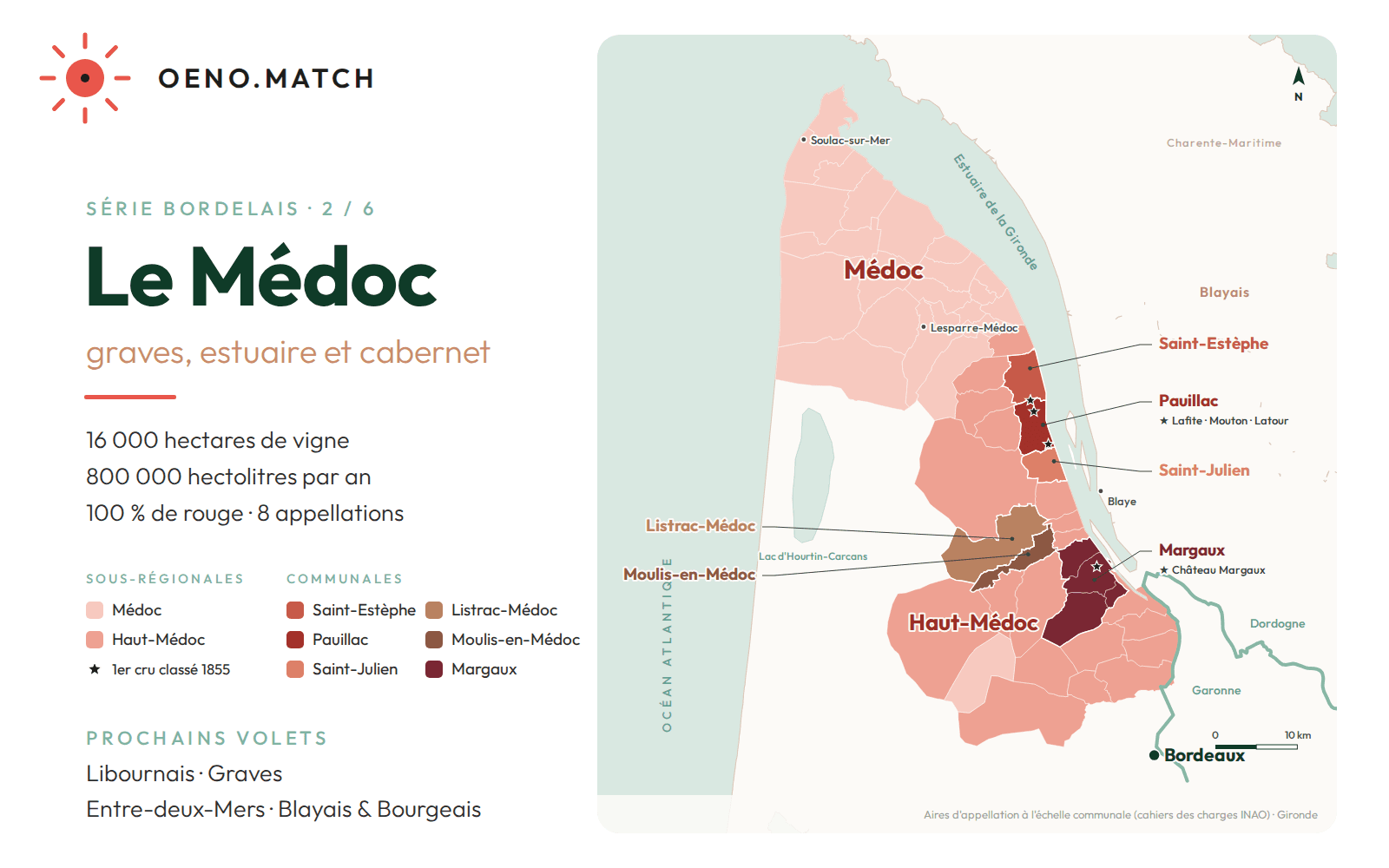
Médoc, the left bank in red On a map, Médoc looks like a strip of land wedged between the ocean to the west and the Gironde estuary to the east. The vineyard has settled along the estuary, on a band more than 80 km long and about ten kilometers wide, from Blanquefort, at the gates of Bordeaux, to Saint-Vivien, almost at the tip.
 Guide
GuideBordeaux - Discovery Series (1/6)
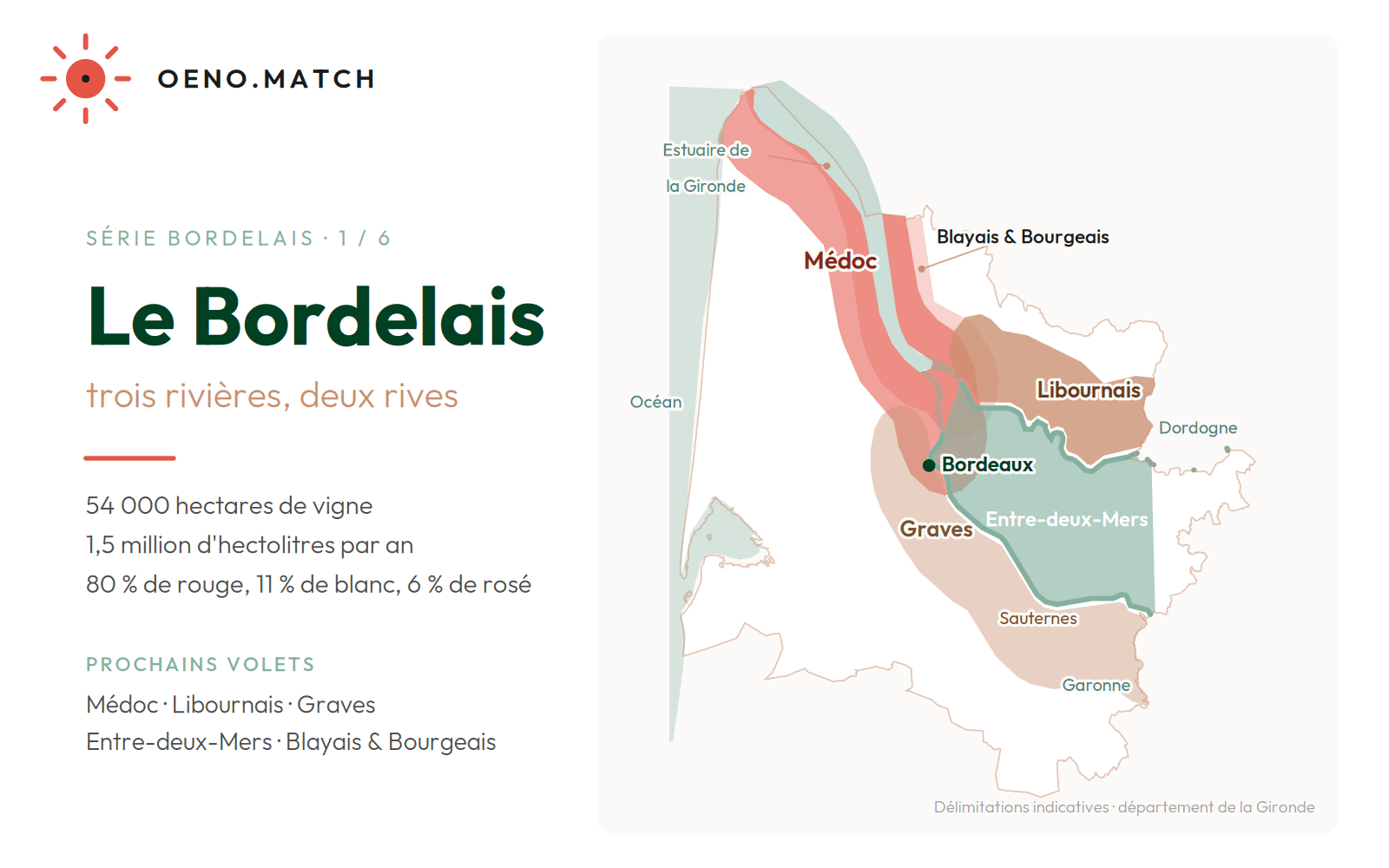
Bordeaux is probably the most famous wine region in the world. Yet this reputation masks a reality: few consumers understand the diversity of its terroirs and the complex layers of classifications that compose it. Nevertheless, the region produces wines of great aromatic complexity that deserve closer examination.
 Regions
Montpeyroux becomes AOC: Languedoc refines its map of great terroirs
Montpeyroux in Languedoc, France's 369th AOC It took decades of work, a handful of determined winemakers, and a shared conviction that the terroir deserved better than a generic designation. Montpeyroux is now a fully-fledged appellation d'origine contrôlée — France's 369th — and this number speaks to both the rarity of the event and Languedoc's ambition.
 Tasting
When to drink wine? The myth of the bottle that always improves
You hear it at every meal: "Keep it, it will be better in ten years." In reality, the vast majority of wines sold today are made to be drunk within two or three years. Aging wine is the exception, not the rule. A matter of structure What allows a wine to age are its "natural preservatives": tannins, acidity, sugar, alcohol. A light red, a crisp white or a rosé doesn't have enough of it. It loses its fruit over time and gains nothing in return.
 News
News2026 Harvest: When the Thermometer Calls the Shots
Twenty years ago, harvesting in July was an anomaly. Today, it has become a reality that some vignerons must contend with from the earliest weeks of summer. The 2026 campaign is shaping up to be one of the earliest ever recorded in several French regions, with concrete consequences for winemaking practices.
 Tasting
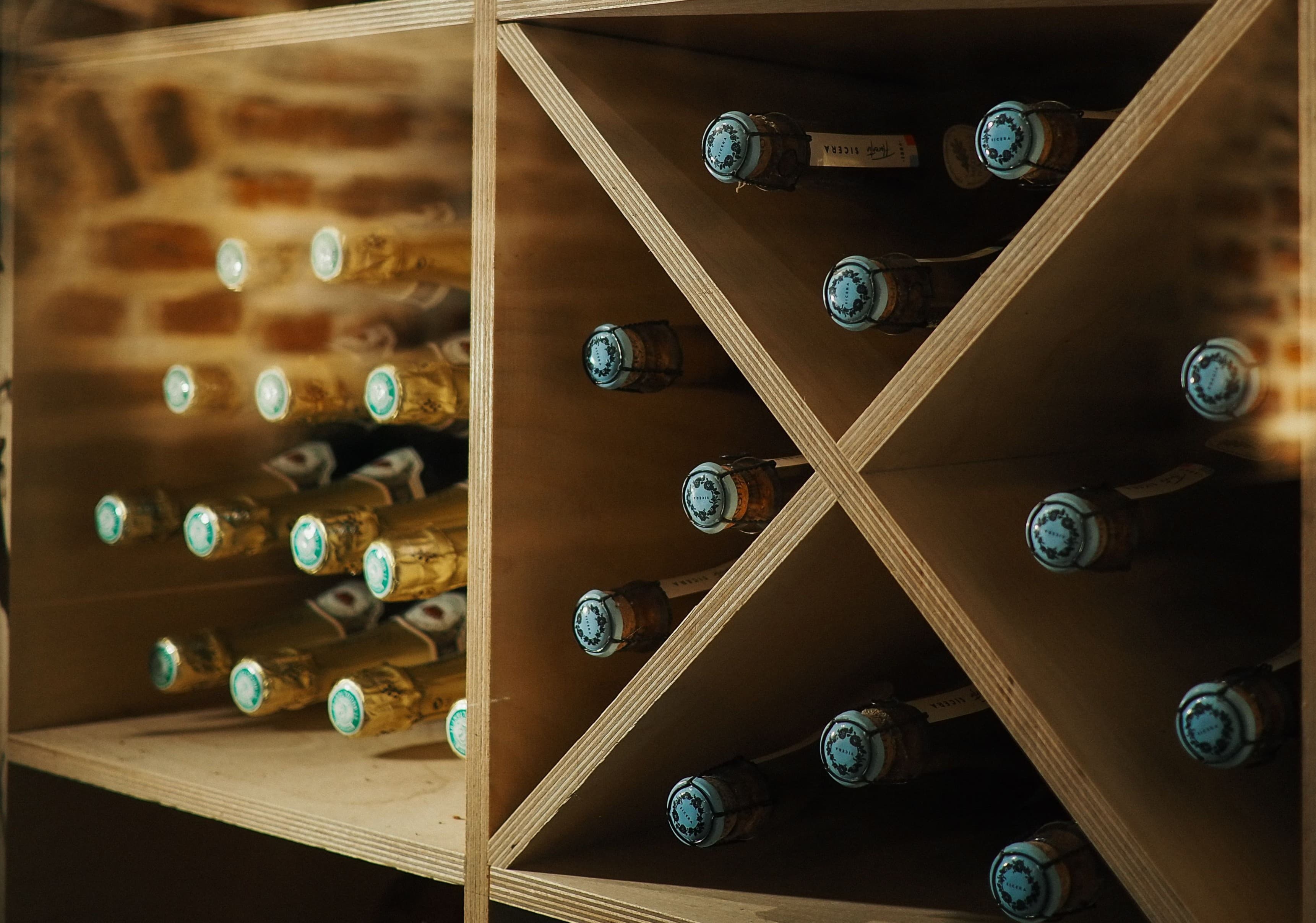
Présence 2015, a solar champagne
In 2015, Champagne experienced one of its sunniest seasons in several decades. A vintage marked by heat and early maturity, which long intrigued houses accustomed to working with acidity as their backbone. Ten years after the harvest, Bruno Paillard offers his reading of this vintage…
 Regions
Bordeaux against the wall: when land values collapse faster than wines
There is something almost symbolic about this figure. For the first time in decades, Bordeaux wine sales have fallen below the three million hectolitre mark over the twelve months ending March 2026. Exactly 2.98 million, according to data reported by the regional daily Sud-Ouest. A threshold that had never been crossed in the region's modern history.
 Guide
GuideNapa Valley - a tourist trap?
"We booked three tastings over two days, spent 400 dollars, and honestly we could have done the same thing in any upscale supermarket. We never saw a winemaker." This remark, heard outside a tasting room in St. Helena, sums up fairly well what many European visitors report about Napa Valley. The California appellation is one of the most visited in the world, and that is precisely what complicates access to it.
 News
NewsHeat wave 2026: French vineyards under pressure
Summer 2026 emerges as a brutal indicator. Temperatures regularly exceeding 40°C, fires in the south and severe water stress episodes in regions previously relatively spared, such as Bourgogne or Loire: French vineyards face a succession of extremes that no longer resemble isolated climate accidents.
 News
NewsArticle sans titre
The Label, a New Weapon of Online Seduction In the age of e-commerce and social media, the wine label no longer serves a purely informational function. It has become a genuine attention-capturing tool, a decisive commercial argument within the endless expanse of the digital catalogue. When a consumer scrolls through their screen, they have milliseconds to decide. The label must therefore shine, provoke, tell a story before a single line of description has been read…
 Regions
Muscadet reclaims its noble status
Long confined to the role of an unpretentious everyday wine, Muscadet is experiencing renewed interest thanks to its Crus Communaux. As VinePair notes, these ten sub-zones of Muscadet Sèvre et Maine — the first of which were officially recognized only fifteen years ago — impose demanding standards: a minimum of 17 months of aging on lees, use of indigenous yeasts, and farming that is often organic or biodynamic.
 News
NewsThe strong appeal of Chinon
Some moves do more than surprise. Arnaud de Laforcade, commercial and financial director of Château Cheval Blanc for seventeen years, will leave the Saint-Émilion grand cru in September to take the helm of Domaine Beauséjour, in Chinon. A decision reported by both Terre de Vins and The Drinks Business on 18 June 2026, and one that says a great deal about the desire the Loire inspires today.
 Regions
The rise of English wines
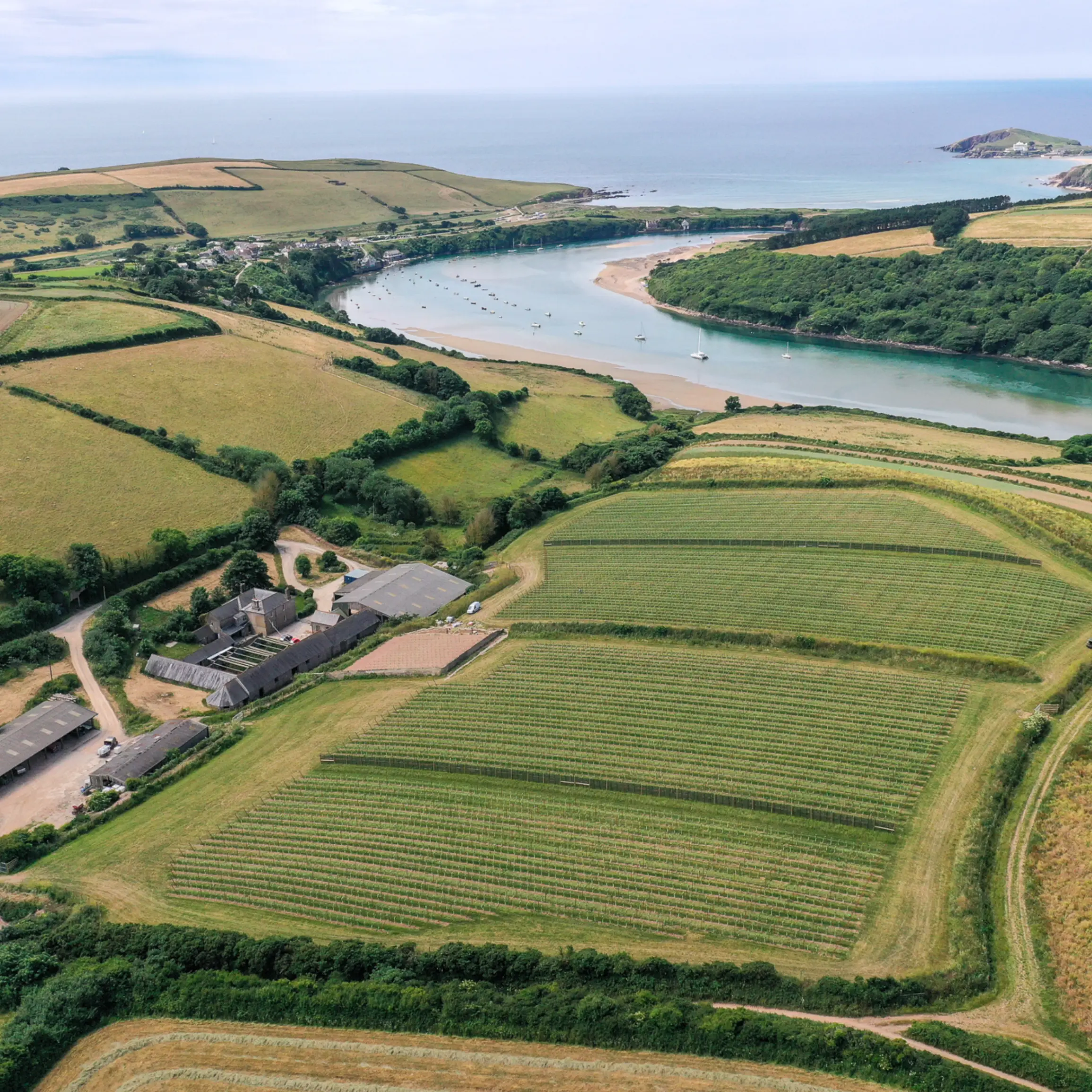
English and Welsh wines have long played in the shadow of their neighbours in Champagne. That discretion is beginning to crack. European enthusiasts now know it: England produces sparkling wines of a high standard, drawn from the same grape varieties and the same chalk as Champagne. But beyond this posi…
 News
NewsFrench wine in the United States: Trump's trade escalation
French wine in the United States: Trump's trade escalation Since the beginning of the year, the French wine market has been under unprecedented commercial pressure. After threatening a 200% tax in January, President Trump is now calling for a 100% tax on all French wines and Champagnes destined...
 Regions
Hessian riesling in search of legitimacy: when purism becomes a strategy
Hessian riesling in search of legitimacy: when purism becomes a strategy In Rhine Hesse, something is shifting. While German riesling has long suffered from a reputation for commercial sweetness, a new generation of winemakers is working to redefine the image of the variety. The Keller estate, a leading figure in this transformation, embodies this desire to return to fundamentals: dry and refined rieslings, exceptional sparkling cuvées, an obsession with terroir rather than residual sugar.
 Regions
Alentejo rediscovers its ancient amphoras
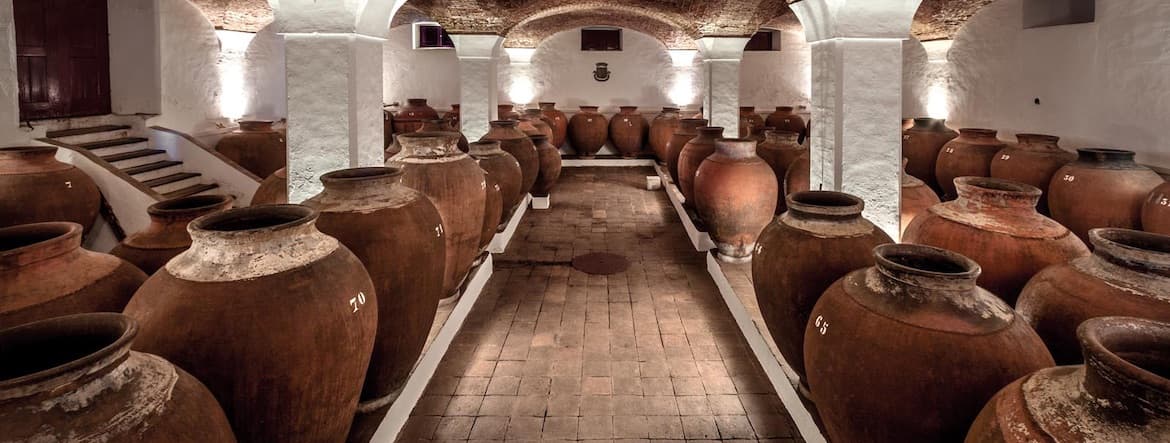
Alentejo rediscovers its ancient amphoras In the cellars of Alentejo, a wine region in southern Portugal, the characteristic sound of terracotta amphoras resonates once again. These ancestral vessels, locally called "talha", mark the return of a two-thousand-year-old technique that contemporary winemakers are adopting with a resolutely modern vision.
 Guide
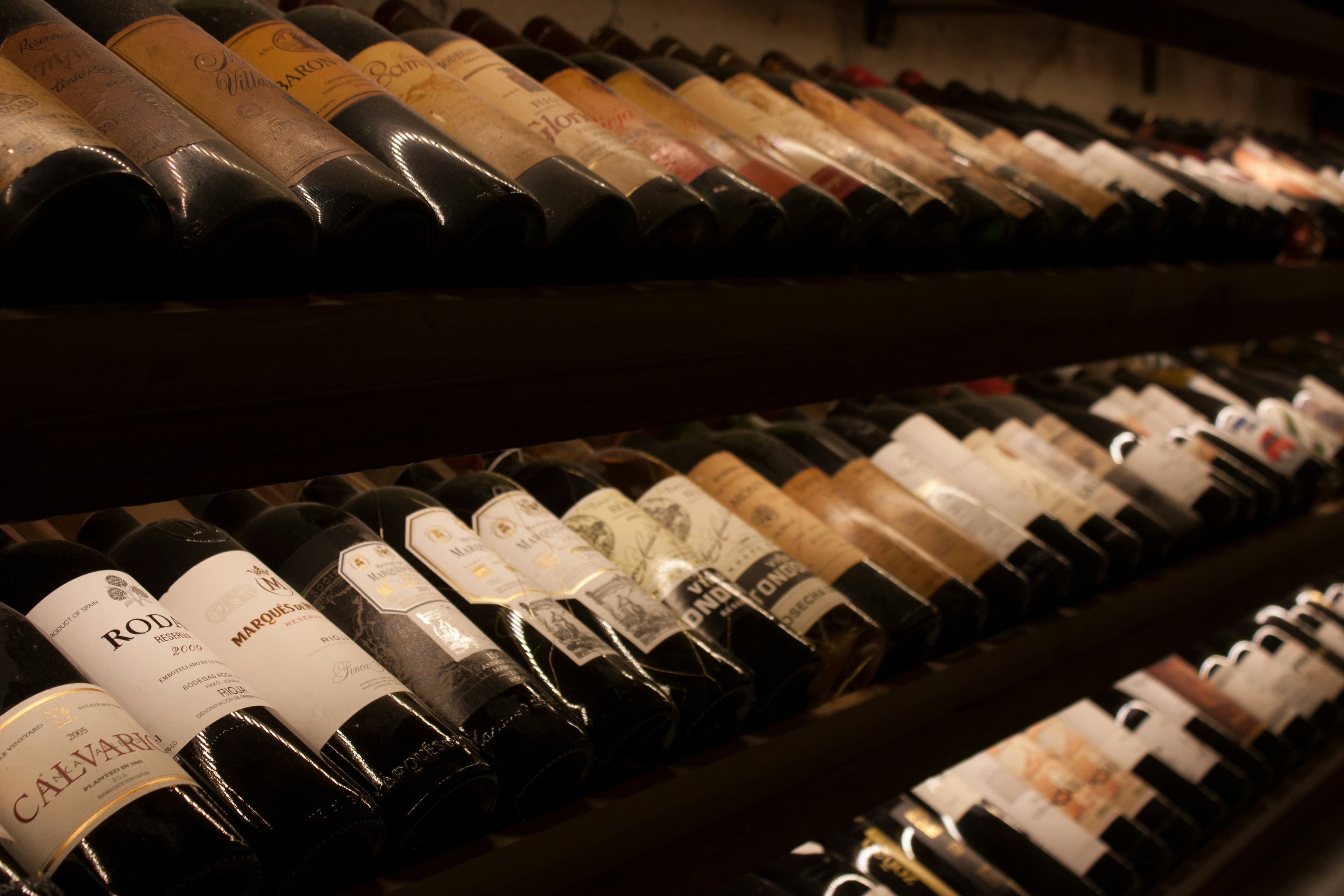
GuideChoosing wine as an expert
Choosing wine when you already master the oenological basics requires a more refined approach, where expertise allows you to go beyond conventional criteria to favor more subtle considerations. Analysis of the tasting context Beyond the classic food-wine pairing, the expert considers the entire situation...
 Guide
GuideWhen experience surpasses wine: how wine regions are reinventing tourism
The time when vineyards themselves constituted the heart of a visit to wine regions seems over. According to VinePair, what once attracted visitors — the possibility of contemplating rows of vineyards — is no longer the essential component of a day at the winery. Modern wine tourists seek more of an immersion in the property's facilities, equipped tasting rooms and on-site activities than direct access to productive vines.
 News
NewsLight and Alcohol-Free Wines: The New Frontier of an Industry in Transformation
Light and Alcohol-Free Wines: The New Frontier of an Industry in Transformation The French cellar is reinventing itself. Where once stood robust bottles destined for daily meal accompaniment, now emerge bottles displaying reduced or eliminated alcohol degrees, embracing a fundamental trend that the wine industry can no longer ignore...
 Guide
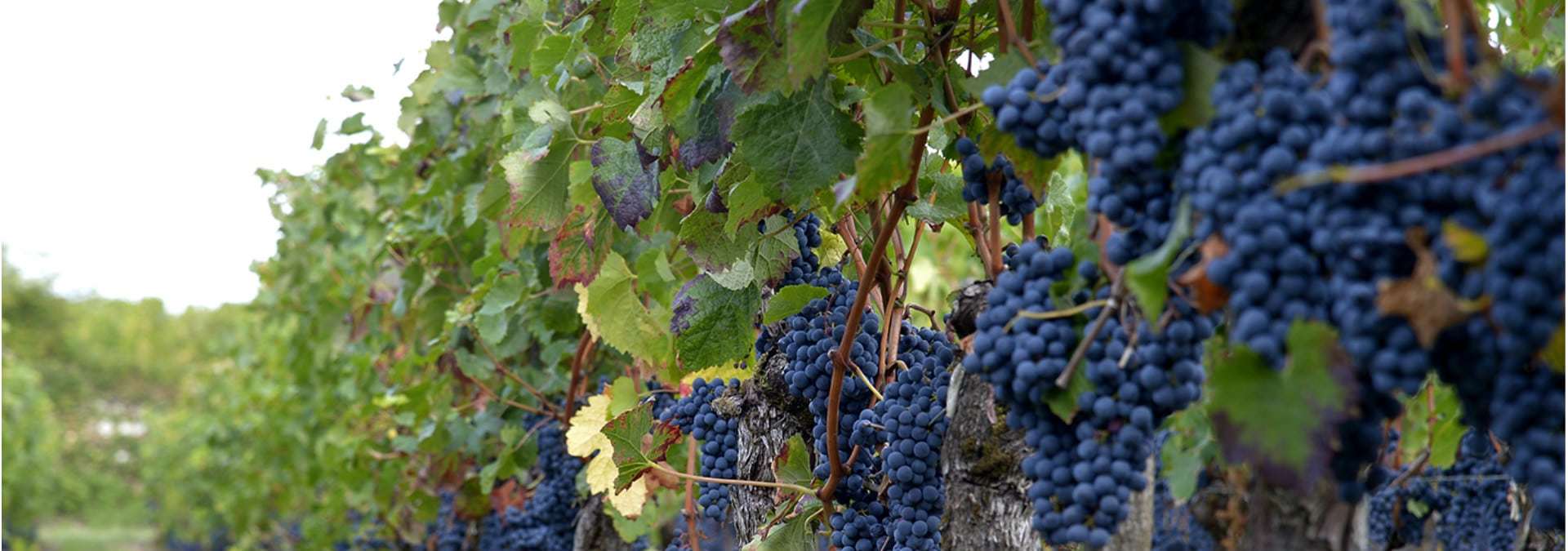
GuideBordeaux vineyards
Bordeaux vineyards span 110,000 hectares and rank among the world's most prestigious wine heritage sites. This region has produced wines that define French excellence for centuries. Behind the international reputation lie complex technical and human realities. The vi...
 Guide
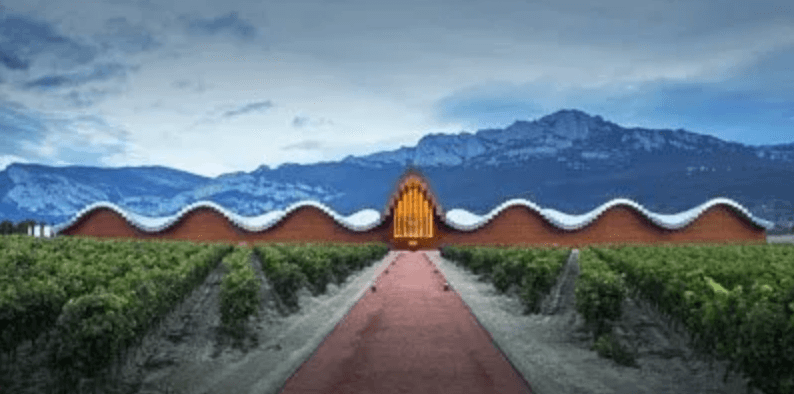
GuideArt in open cellars
La Rioja has undergone a profound transformation over the past twenty years. Wine estates are no longer just production sites. They are reinventing themselves as cultural destinations where architecture and design dialogue with the vine. This trend, which emerged in California and Australia, has taken root in Spain...
 Regions
Sicilian viticulture: when mainlanders discover Etna
Sicily no longer needs introduction to discerning enthusiasts. After decades of discretion, the island is establishing itself in the European wine landscape. But it is around Etna that all attention now crystallizes. This volcanic region of northeastern Sicily is experiencing a remarkable transformation. The signals are...
 Regions
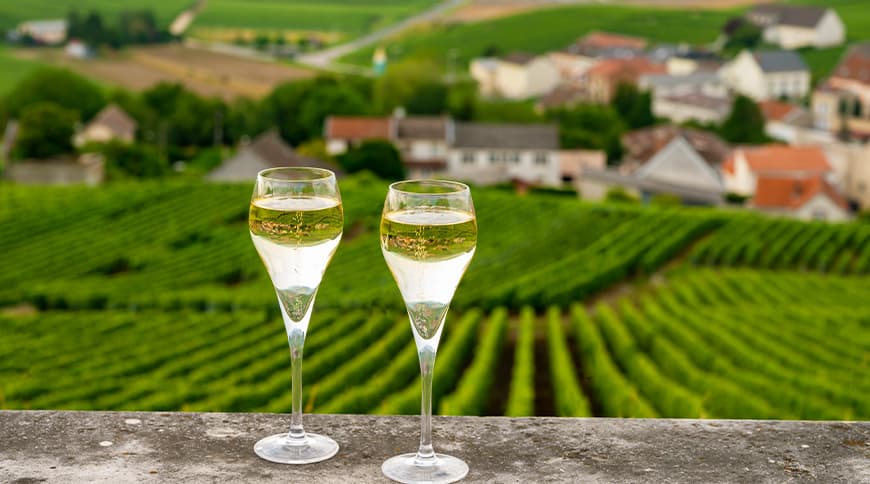
Champagne: the appellation reinventing its prestige
Champagne embodies much more than a sparkling wine. It is a territory, a method and an art of living that have crossed centuries to become the universal symbol of celebration. From the Champagne region to tables around the world, this French appellation carries within it a history of terroir, innovation...
 Regions
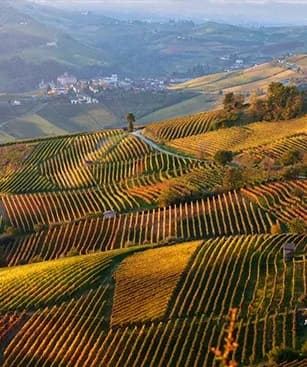
Piedmont wines
The Nebbiolo that structure Italian Piedmont Piedmont enjoys a singular reputation in Italy, that of a region where wines breathe a certain austerity. This is primarily because Nebbiolo dominates there, this capricious grape variety that produces wines with low alcohol — around 13-14% — but loaded with tannins then…
 Estates
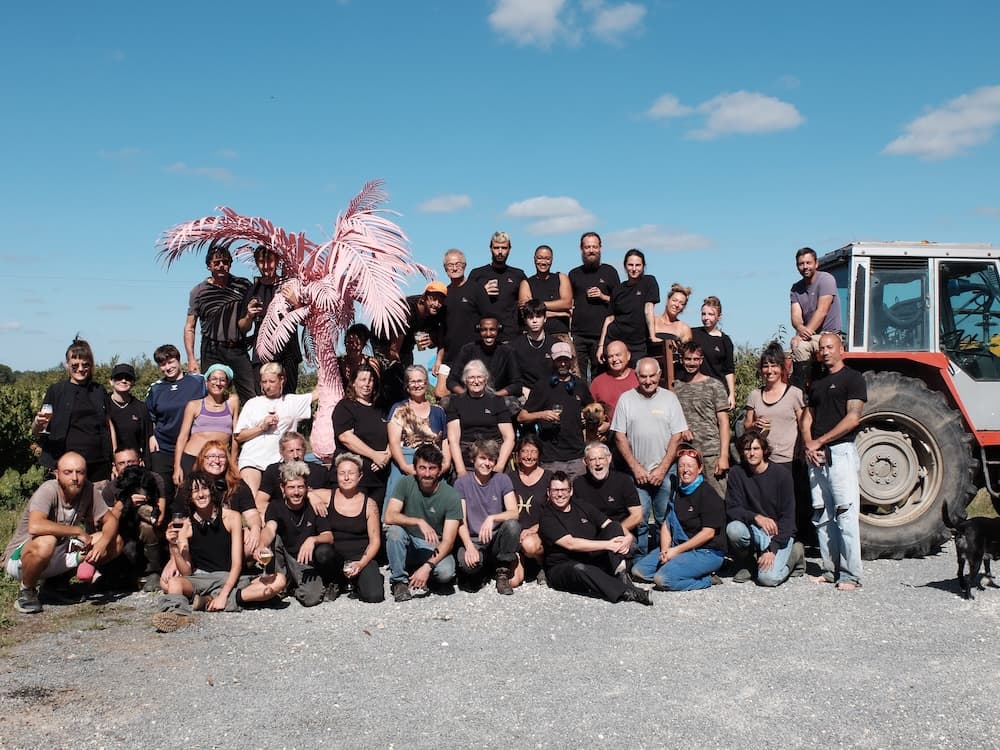
Tessier in Cheverny: when family passion reshapes a winemaking trajectory
Tessier in Cheverny: when family passion reshapes a winemaking trajectory Domaine Tessier embodies the often discreet history of small Loire producers who find their uniqueness by staying true to a certain idea of artisanal work. Located in Cheverny, this family property experienced a decisive turning point a few years ago when the next generation took over...
 Regions
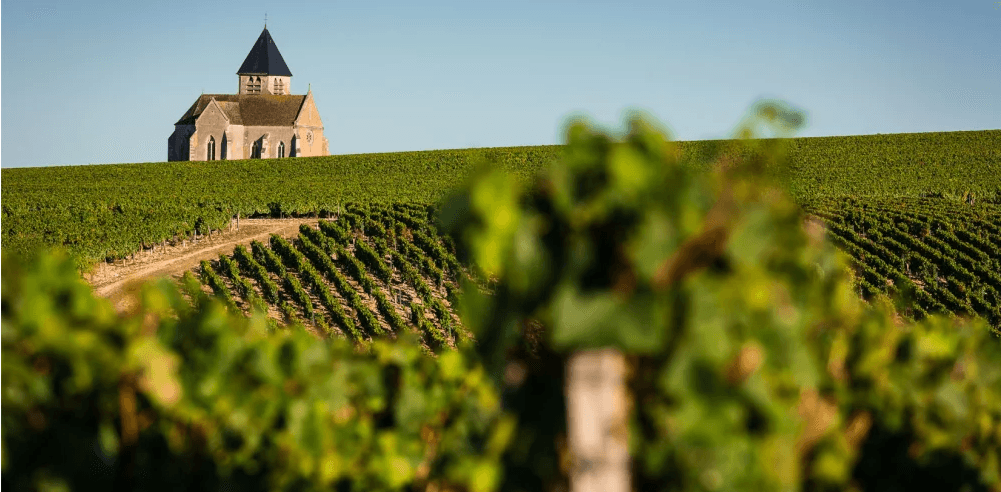
Bourgogne: at the heart of wine civilization
Bourgogne: at the heart of wine civilization Bourgogne is not simply one wine region among others. It is the laboratory where wine rules have been written for a millennium. Here, terroir is not marketing poetry, but a methodical obsession: producing the best possible expression of a given plot, with a rationality that the Cistercians would have approved.
 Regions
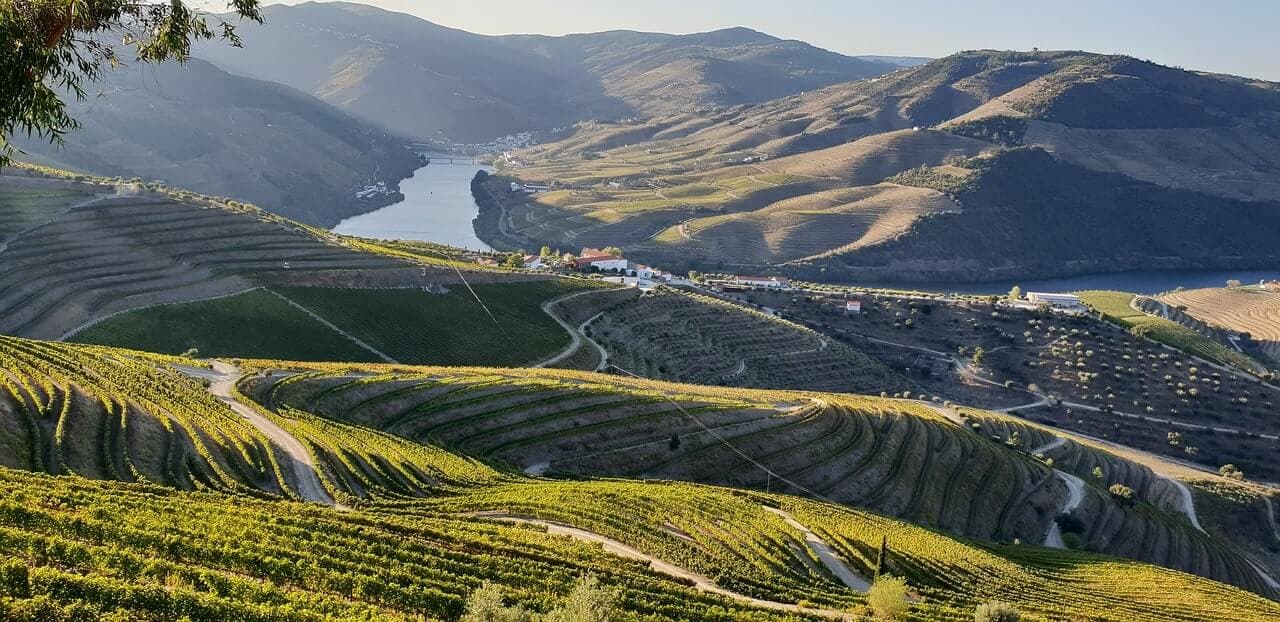
The revival of Portuguese wines
For a long time, Portuguese wine lived in the shadow of its European neighbors. For many consumers, the country remained associated with porto, a few accessible bottles in supermarkets, or vacation wines with good value for money. This image is changing rapidly. In recent years, Portugal has quietly established itself as one of the most watched territories by sommeliers, importers, and European wine enthusiasts seeking new balance.