
Listen to the article
For a long time, Portuguese wine lived in the shadow of its European neighbors. For many consumers, the country remained associated with porto, a few accessible bottles in supermarkets, or vacation wines with good value for money. This image is changing rapidly. In recent years, Portugal has quietly established itself as one of the most watched territories by sommeliers, importers, and European wine enthusiasts seeking new balance.
The phenomenon goes far beyond a passing trend. The country now benefits from a rare alignment between strong viticultural identity, favorable climatic conditions, and contemporary consumer expectations. Where some Mediterranean vineyards are confronted with wines that have become richer, more alcoholic, and sometimes less digestible due to climate change, several Portuguese regions maintain a freshness that increasingly appeals to high-end restaurants. (larvf.com)
Portugal especially possesses an asset that has become extremely precious: a diversity of indigenous grape varieties that remains almost intact. Touriga Nacional, Baga, Encruzado, Arinto, or Castelão offer aromatic profiles very different from international standards dominated by cabernet sauvignon or chardonnay. This singularity attracts a new generation of enthusiasts who seek identity rather than power. In several specialized guides and professional publications, Portuguese wines are now regularly described as one of the last great reservoirs of European viticultural authenticity. (jancisrobinson.com)
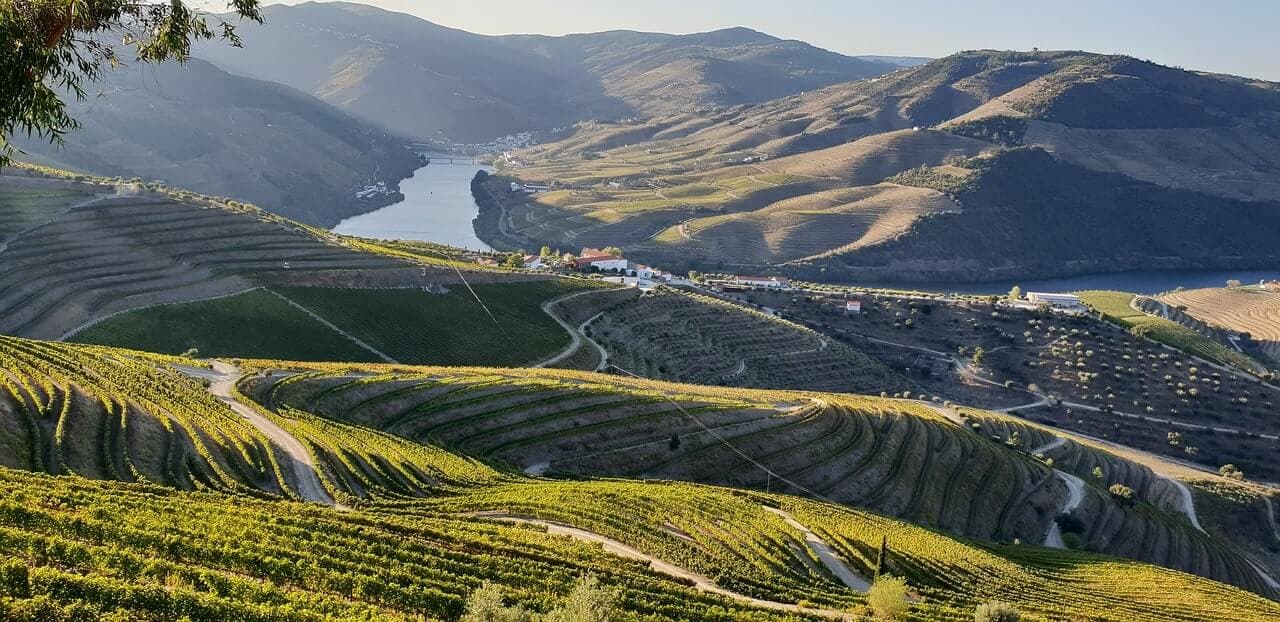
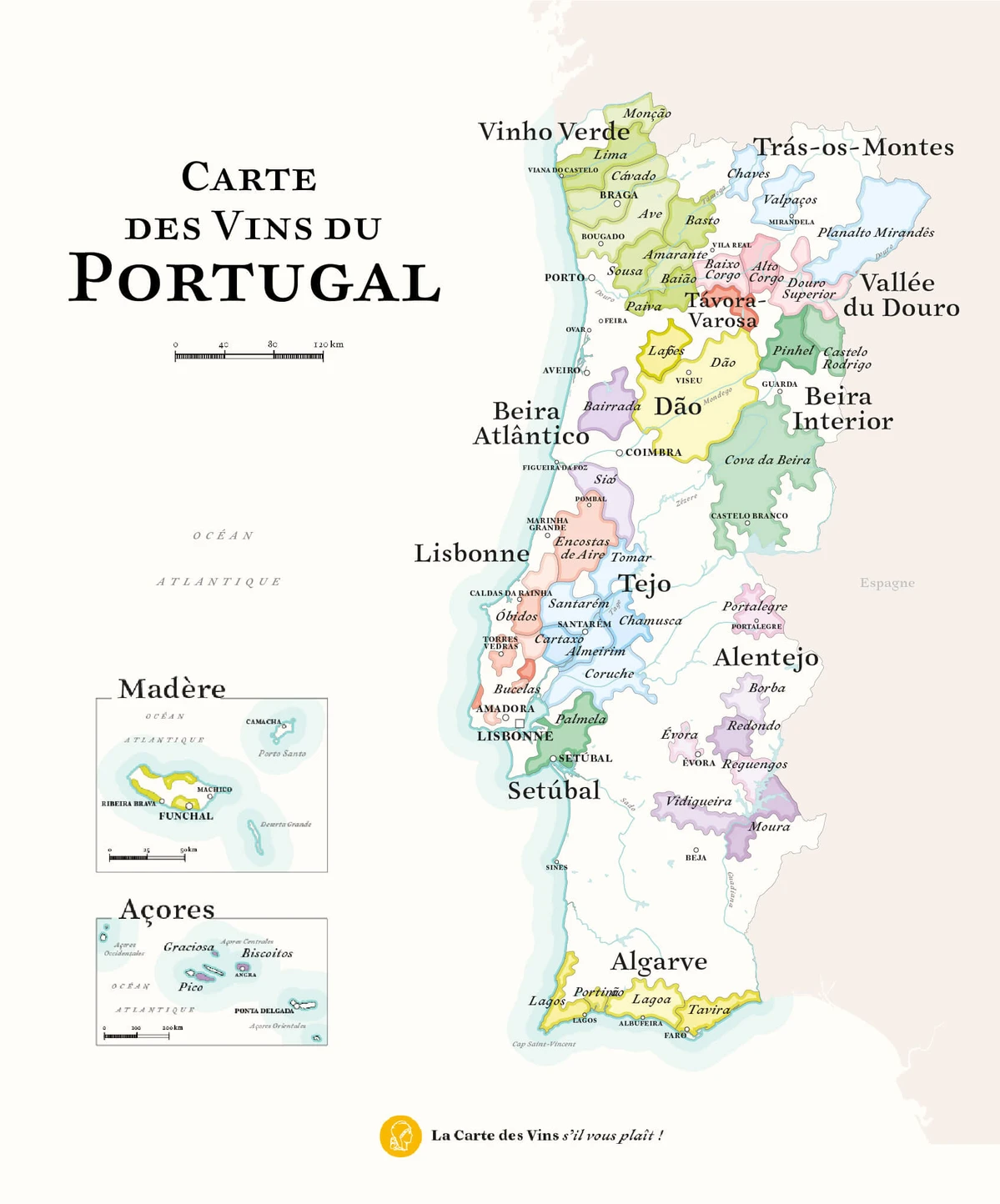
The Douro particularly illustrates this move upmarket. Historically focused on porto, the vineyard now produces dry reds that rival certain Spanish or Italian references on starred restaurant wine lists. The region also attracts an international clientele sensitive to its spectacular aesthetics: steep terraces, renovated quintas, intimate hotels, and local gastronomy create an ecosystem that goes far beyond the simple wine product. (decanter.com)
Portuguese success also stems from a form of economic credibility. In a context where great French wines are becoming difficult to access for part of the consumer base, Portugal occupies a strategic position: offering complex, gastronomic, and distinctive wines at still reasonable prices. This equation particularly attracts Northern European and American markets. According to data published by ViniPortugal, exports continue to grow in premium segments, with strong demand for identity cuvées and limited productions. (viniportugal.pt)
The perception of the country is also evolving in specialized media. Ten years ago, Portugal often appeared as a "good deal." Today, it is presented as an avant-garde vineyard capable of influencing European trends: return to local grape varieties, less interventionist wines, natural freshness, valorization of Atlantic terroirs, and a more sustainable approach to viticulture. Several influential critics even consider that certain Portuguese regions better embody the future of European wine than more rigid historical appellations. (wine-searcher.com)
What remains most remarkable is undoubtedly the discretion with which this ascension operates. Portugal does not seek to reproduce the Bordeaux or Tuscan model. It progressively builds a more contemporary, freer, and less codified identity. This is precisely what makes it so attractive today.