
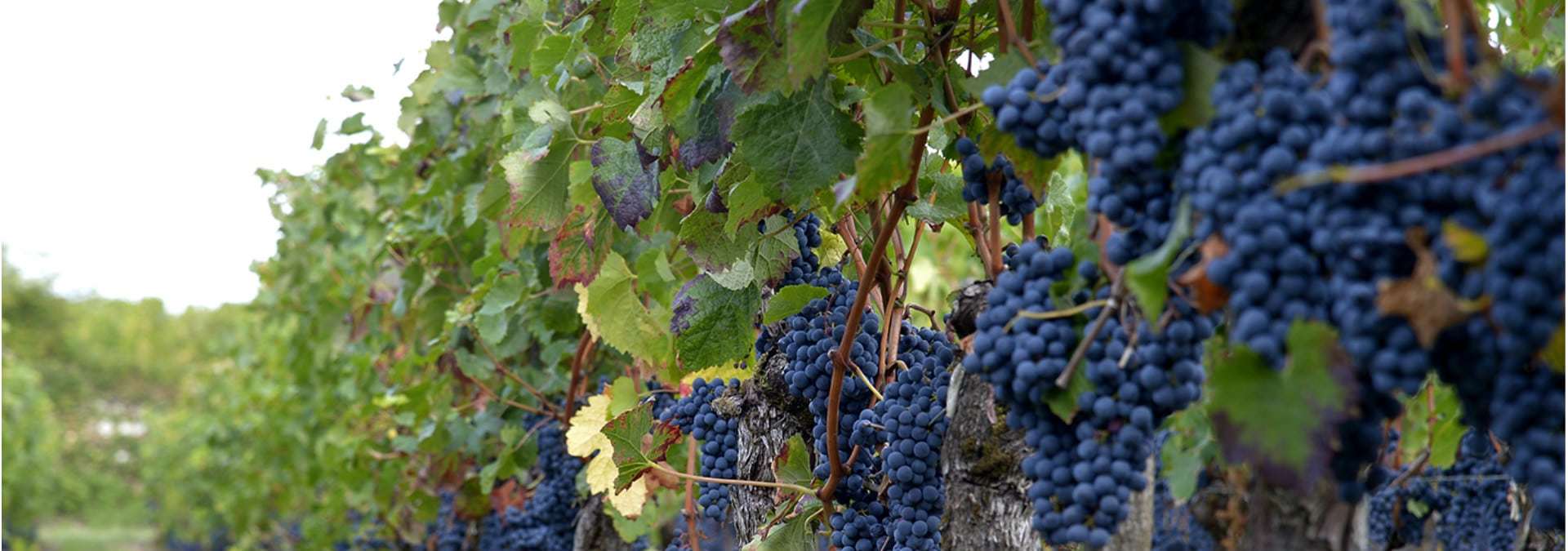
Bordeaux vineyards span 110,000 hectares and rank among the world's most prestigious wine heritage sites. This region has produced wines that define French excellence for centuries. Behind the international reputation lie complex technical and human realities.
The Bordeaux vineyard spreads across two main banks of the Gironde. On the left bank, Médoc and Graves rest on quaternary gravel soils, legacy of the ancient Garonne riverbed. These stones store heat during the day and release it at night. This microclimate suits cabernet sauvignon perfectly, which represents 60% of local plantings.
On the right bank, Saint-Émilion and Pomerol present more complex geological profiles. Clay-limestone soils and iron-rich deposits favor merlot, the majority grape at 85%. This fundamental difference explains why wines from these appellations develop such distinct characters.
Atlantic climate influence plays a determining role. The ocean moderates temperature variations and provides necessary humidity, but also generates the formidable challenge of downy mildew. Bordeaux winegrowers have developed unique expertise in managing this constant parasitic pressure.
Bordeaux cultivates the art of blending, unlike single-variety regions. Cabernet sauvignon brings structure and aging potential, merlot offers roundness and fruitiness, cabernet franc adds finesse and aromatic complexity. This red trinity is sometimes completed by petit verdot to intensify color and tannins.
White vines, a minority at 10% of the surface, rely on the sauvignon blanc-sémillon duo. The latter, sensitive to botrytis cinerea, enables the production of sweet wines from Sauternes and Barsac.
High planting density, often 6,000 to 10,000 vines per hectare, forces competition between plants. This voluntary constraint limits yields and concentrates aromas. This is a fundamental principle of Bordeaux quality.
Climate change is profoundly altering Bordeaux viticulture. Harvests now advance by three weeks compared to the 1980s. Natural alcohol levels increase and question the traditional balance of wines.
Some estates experiment with new resistant varieties like artaban or floreal. INRAE estimates that by 2050, average temperature will have gained 2°C. This progressive varietal adaptation becomes necessary.
Organic conversion is accelerating. Already 15% of the vineyard has made the transition, representing 16,500 certified hectares. This transition involves increased surveillance and sophisticated preventive techniques: sexual confusion, natural auxiliaries, biodynamics for the most convinced.
Technological innovation finds its place in this apparent conservatism. Humidity sensors, surveillance drones, artificial intelligence to predict fungal diseases: Bordeaux tradition discreetly integrates these modern tools.
Bordeaux vineyard generates 14.5 billion euros in annual turnover and directly employs 55,000 people. This economic success masks significant disparities between appellations.
While a hectare in Médoc can be worth 2 million euros, satellite appellations sometimes struggle to valorize their production. This bipolarization questions the future of small winegrowers facing international groups that invest massively.
Direct sales develop to bypass traditional négociant trade. 40% of estates now offer wine tourism reception. This revolutionizes the secular codes of this region long closed to the general public.
Mechanical harvesting also progresses, representing 70% of harvests versus 30% twenty years ago. This technical evolution responds to growing difficulties in recruiting seasonal harvest workers.
Bordeaux vineyards are going through a pivotal period. Between respecting millennial traditions and adapting to contemporary challenges, they continue to write the history of French wine. Their capacity for evolution, demonstrated century after century, remains their best asset for facing future challenges.