
Listen to the article
The Nebbiolo that structure Italian Piedmont
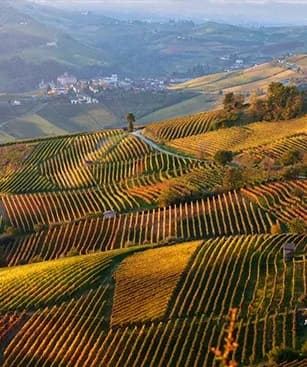
Piedmont enjoys a singular reputation in Italy, that of a region where wines breathe a certain austerity. This is primarily because Nebbiolo dominates there, this capricious grape variety that produces wines with low alcohol — around 13-14% — but loaded with powerful tannins and an acidity that projects them far. Barolo and Barbaresco are its two most prestigious expressions, the first from the hills of Langhe around the village of Barolo, the second cultivated further north. This geographical distinction produces palpable differences. Barolo demands patience: it only truly opens after a decade in the cellar, or even longer. Barbaresco shows more early elegance, a finer texture, and can be drunk younger without losing complexity.
Dolcetto and Barbera complete this lineup. Dolcetto delivers a deep color but should not deceive: despite its evocative name (it means "little sweet"), it is a dry wine with discreet tannins, ideal as an aperitif or with pasta in meat sauce. Barbera displays marked acidity and bright red fruit notes. Long scorned, this grape variety has undergone significant rehabilitation over the past twenty years. Producers have learned to cultivate it differently, with later harvests, and some age it in barrels to give it new depth. The result: Barbera d'Alba or d'Asti that rival in complexity with other wines at similar prices.
Moscato and Moscato are the contrasts of viticultural Piedmont. The sparkling, sweet, low-alcohol Moscato d'Asti embodies a playful and festive side that few truly know. Yet it is one of the most consumed appellations in Piedmont, enjoyed at home or in restaurants as dessert or aperitif. Gavi, made from the Cortese grape variety, offers crystalline, mineral whiteness that producers readily sell as the Piedmontese alternative to Chablis or Sancerre.
Current trends show rising interest in these less canonical wines. While Barolo remains the darling of European collectors, enlightened enthusiasts are gradually turning toward complex Barbera or high-quality Dolcetto. This orientation reflects fatigue with the astronomical prices of great Barolo, combined with new curiosity for secondary terroirs.
The rise of small houses in the region has also reshuffled the cards. These small family producers buy little or less new wood, work with long macerations, extended aging in tanks. Their wines retain more characteristics of the grape variety and terroir, less the woody signature of French oak that internationalized large houses once systematically used. For those buying Piedmont today, scrutinizing the producer is sometimes worth more than focusing on vintage or appellation.