
Oeno Blog
Regions, grapes, tasting, pairings: our articles to help you choose your bottles and know when to open them. Find them in the app too.
 Regions
Montpeyroux becomes AOC: Languedoc refines its map of great terroirs
Montpeyroux in Languedoc, France's 369th AOC It took decades of work, a handful of determined winemakers, and a shared conviction that the terroir deserved better than a generic designation. Montpeyroux is now a fully-fledged appellation d'origine contrôlée — France's 369th — and this number speaks to both the rarity of the event and Languedoc's ambition.
 Regions
Bordeaux against the wall: when land values collapse faster than wines
There is something almost symbolic about this figure. For the first time in decades, Bordeaux wine sales have fallen below the three million hectolitre mark over the twelve months ending March 2026. Exactly 2.98 million, according to data reported by the regional daily Sud-Ouest. A threshold that had never been crossed in the region's modern history.
 Regions
Muscadet reclaims its noble status
Long confined to the role of an unpretentious everyday wine, Muscadet is experiencing renewed interest thanks to its Crus Communaux. As VinePair notes, these ten sub-zones of Muscadet Sèvre et Maine — the first of which were officially recognized only fifteen years ago — impose demanding standards: a minimum of 17 months of aging on lees, use of indigenous yeasts, and farming that is often organic or biodynamic.
 Regions
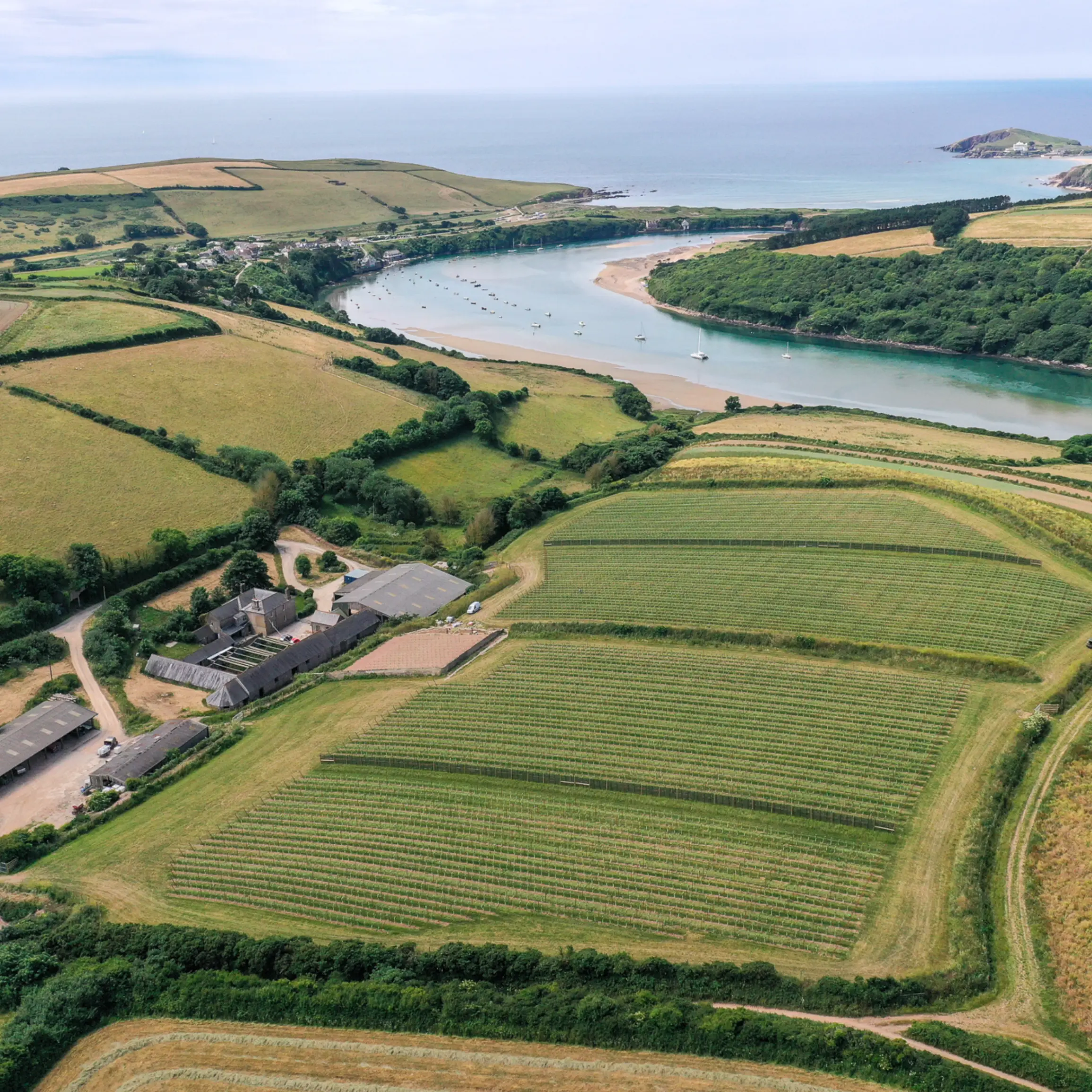
The rise of English wines
English and Welsh wines have long played in the shadow of their neighbours in Champagne. That discretion is beginning to crack. European enthusiasts now know it: England produces sparkling wines of a high standard, drawn from the same grape varieties and the same chalk as Champagne. But beyond this posi…
 Regions
Hessian riesling in search of legitimacy: when purism becomes a strategy
Hessian riesling in search of legitimacy: when purism becomes a strategy In Rhine Hesse, something is shifting. While German riesling has long suffered from a reputation for commercial sweetness, a new generation of winemakers is working to redefine the image of the variety. The Keller estate, a leading figure in this transformation, embodies this desire to return to fundamentals: dry and refined rieslings, exceptional sparkling cuvées, an obsession with terroir rather than residual sugar.
 Regions
Alentejo rediscovers its ancient amphoras
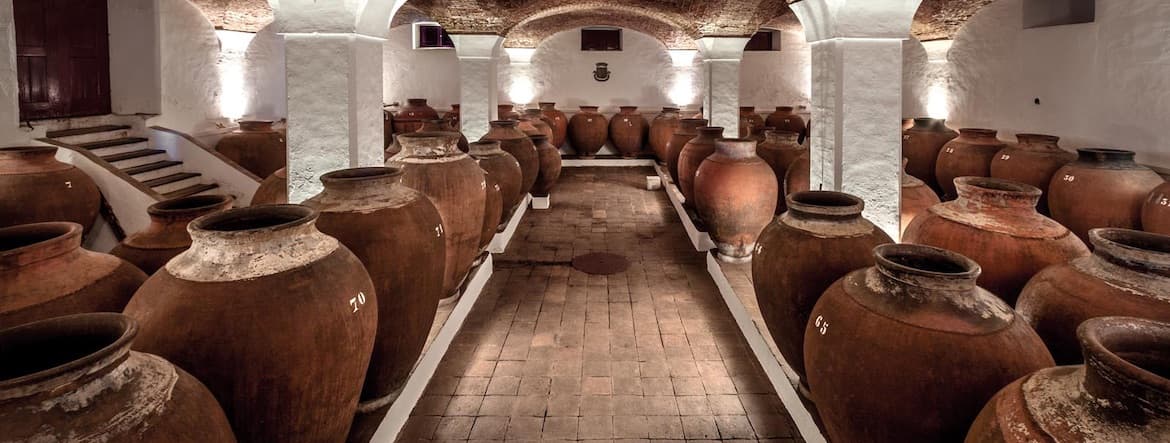
Alentejo rediscovers its ancient amphoras In the cellars of Alentejo, a wine region in southern Portugal, the characteristic sound of terracotta amphoras resonates once again. These ancestral vessels, locally called "talha", mark the return of a two-thousand-year-old technique that contemporary winemakers are adopting with a resolutely modern vision.
 Regions
Sicilian viticulture: when mainlanders discover Etna
Sicily no longer needs introduction to discerning enthusiasts. After decades of discretion, the island is establishing itself in the European wine landscape. But it is around Etna that all attention now crystallizes. This volcanic region of northeastern Sicily is experiencing a remarkable transformation. The signals are...
 Regions
Champagne: the appellation reinventing its prestige
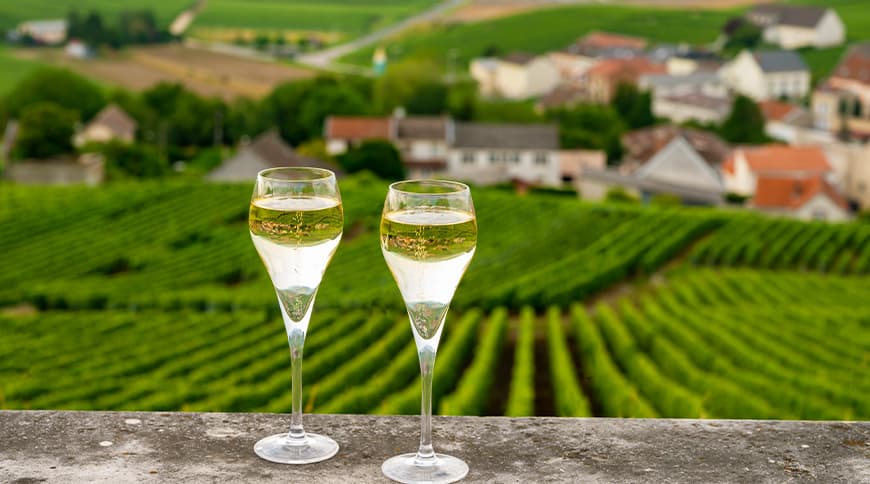
Champagne embodies much more than a sparkling wine. It is a territory, a method and an art of living that have crossed centuries to become the universal symbol of celebration. From the Champagne region to tables around the world, this French appellation carries within it a history of terroir, innovation...
 Regions
Piedmont wines
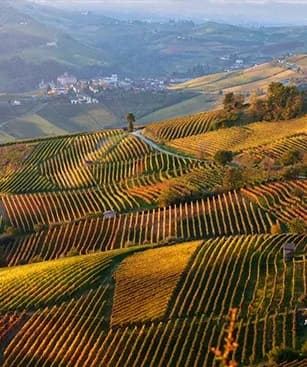
The Nebbiolo that structure Italian Piedmont Piedmont enjoys a singular reputation in Italy, that of a region where wines breathe a certain austerity. This is primarily because Nebbiolo dominates there, this capricious grape variety that produces wines with low alcohol — around 13-14% — but loaded with tannins then…
 Regions
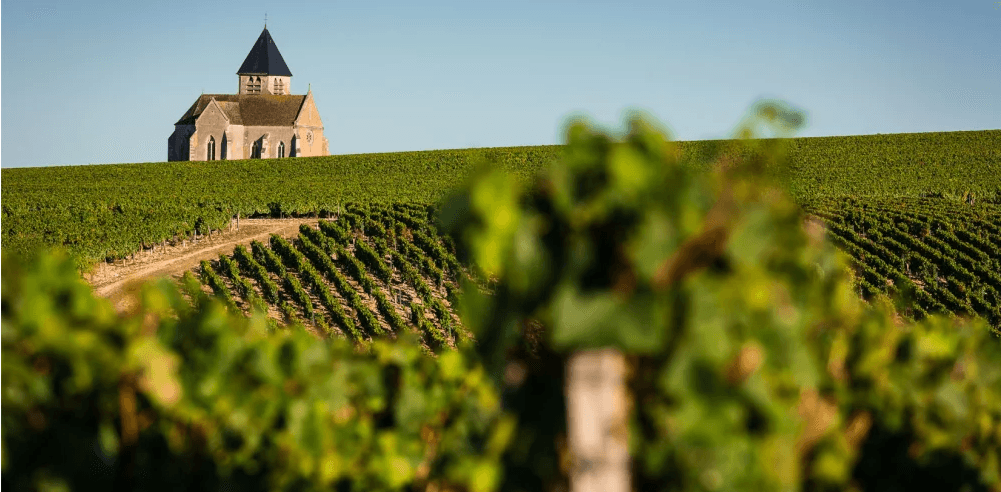
Bourgogne: at the heart of wine civilization
Bourgogne: at the heart of wine civilization Bourgogne is not simply one wine region among others. It is the laboratory where wine rules have been written for a millennium. Here, terroir is not marketing poetry, but a methodical obsession: producing the best possible expression of a given plot, with a rationality that the Cistercians would have approved.
 Regions
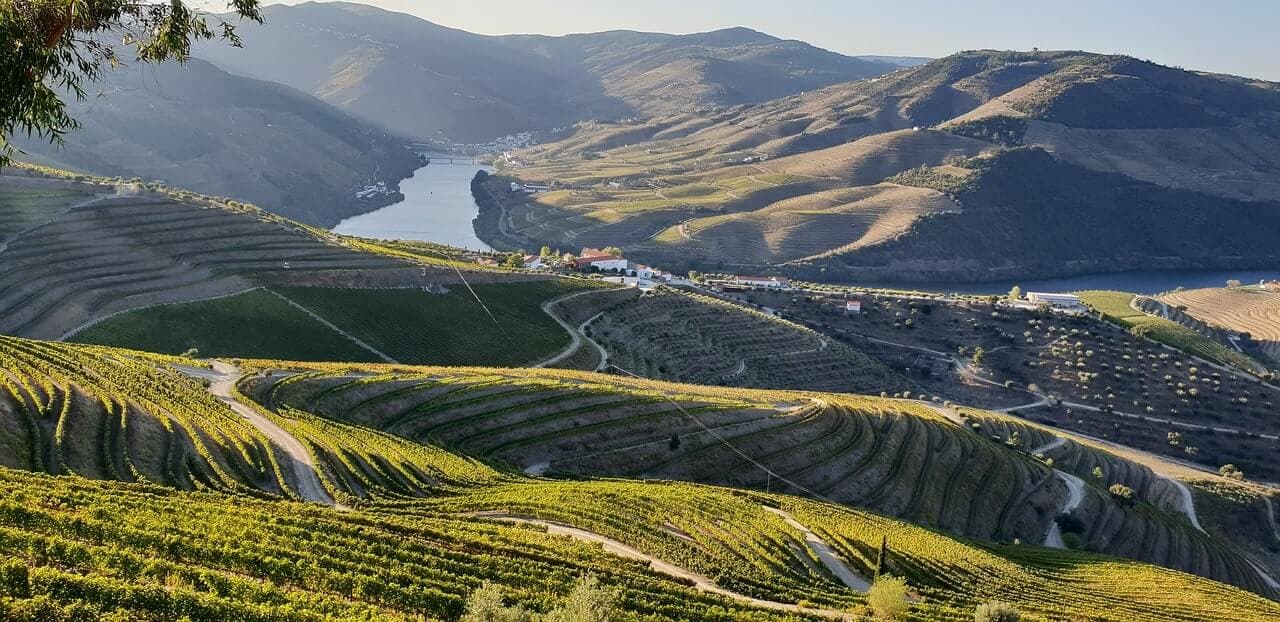
The revival of Portuguese wines
For a long time, Portuguese wine lived in the shadow of its European neighbors. For many consumers, the country remained associated with porto, a few accessible bottles in supermarkets, or vacation wines with good value for money. This image is changing rapidly. In recent years, Portugal has quietly established itself as one of the most watched territories by sommeliers, importers, and European wine enthusiasts seeking new balance.