
Oeno Blog
Regions, grape varieties, tasting, pairings: our articles to help you choose your bottles and know when to open them. Find them in the app too.
 Guide
Why doesn't a glass of wine cost the same price in the United States and Europe?
In Paris, a glass of Sancerre with a buttered baguette costs eleven euros. In Barcelona, some tapas bars serve wine for two euros fifty. In New York, this same casual gesture can easily exceed twenty dollars. How to explain such a gap, and what does it really reveal about the way wine reaches our glasses?
 Guide
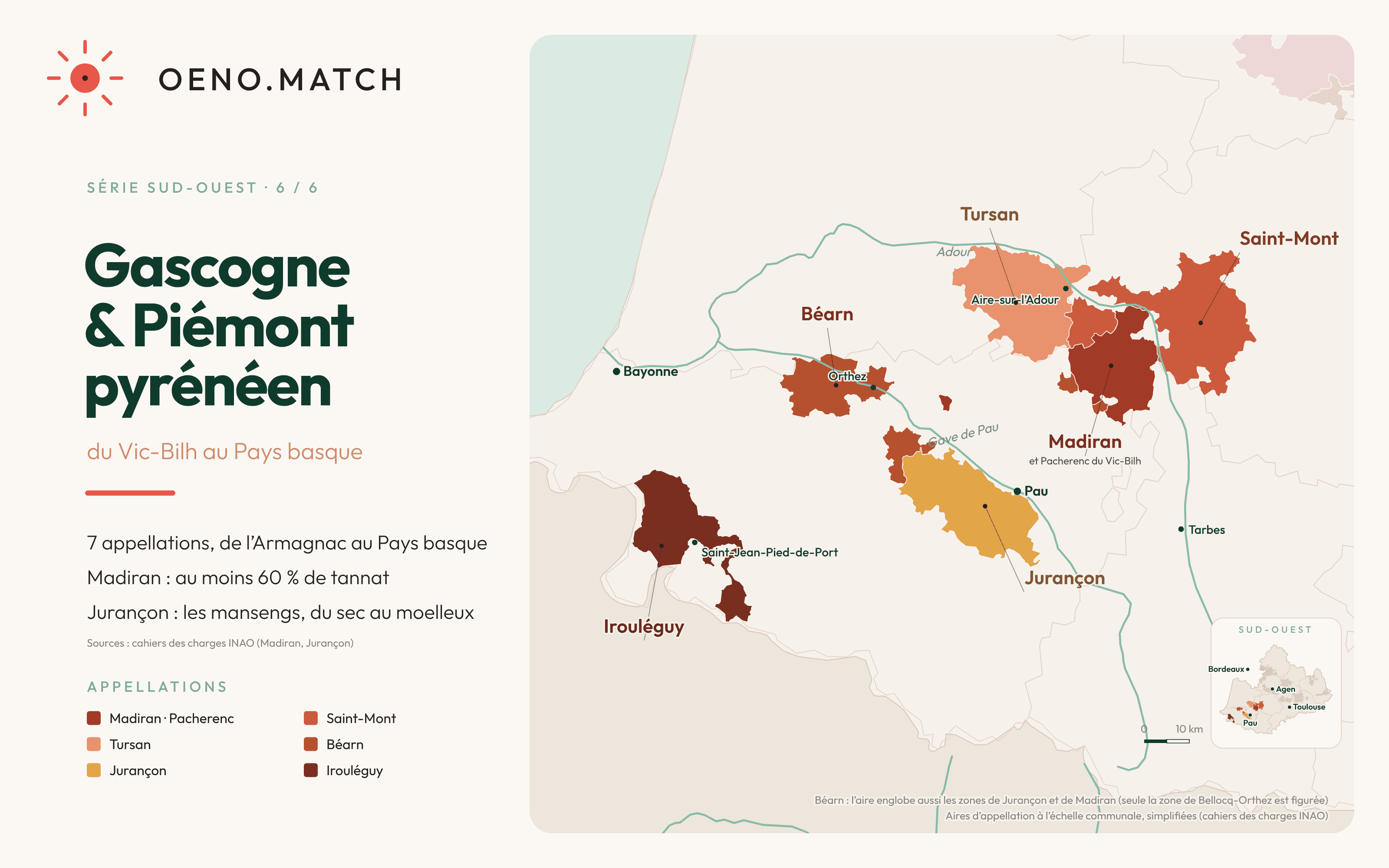
The South-West - Gascony & Pyrenean Foothills (6/6)
From Vic-Bilh to the Basque Country, seven appellations share the same foundation of grape varieties: tannat for reds, petit and gros manseng for whites. This final installment of the series follows them from the Adour plain to the Basque terraces. When Alain Brumont purchases Château Montus in 1980, Madiran is drunk mainly locally and passes for a rustic wine. Brumont bets on the appellation's grape variety, tannat...
 Guide
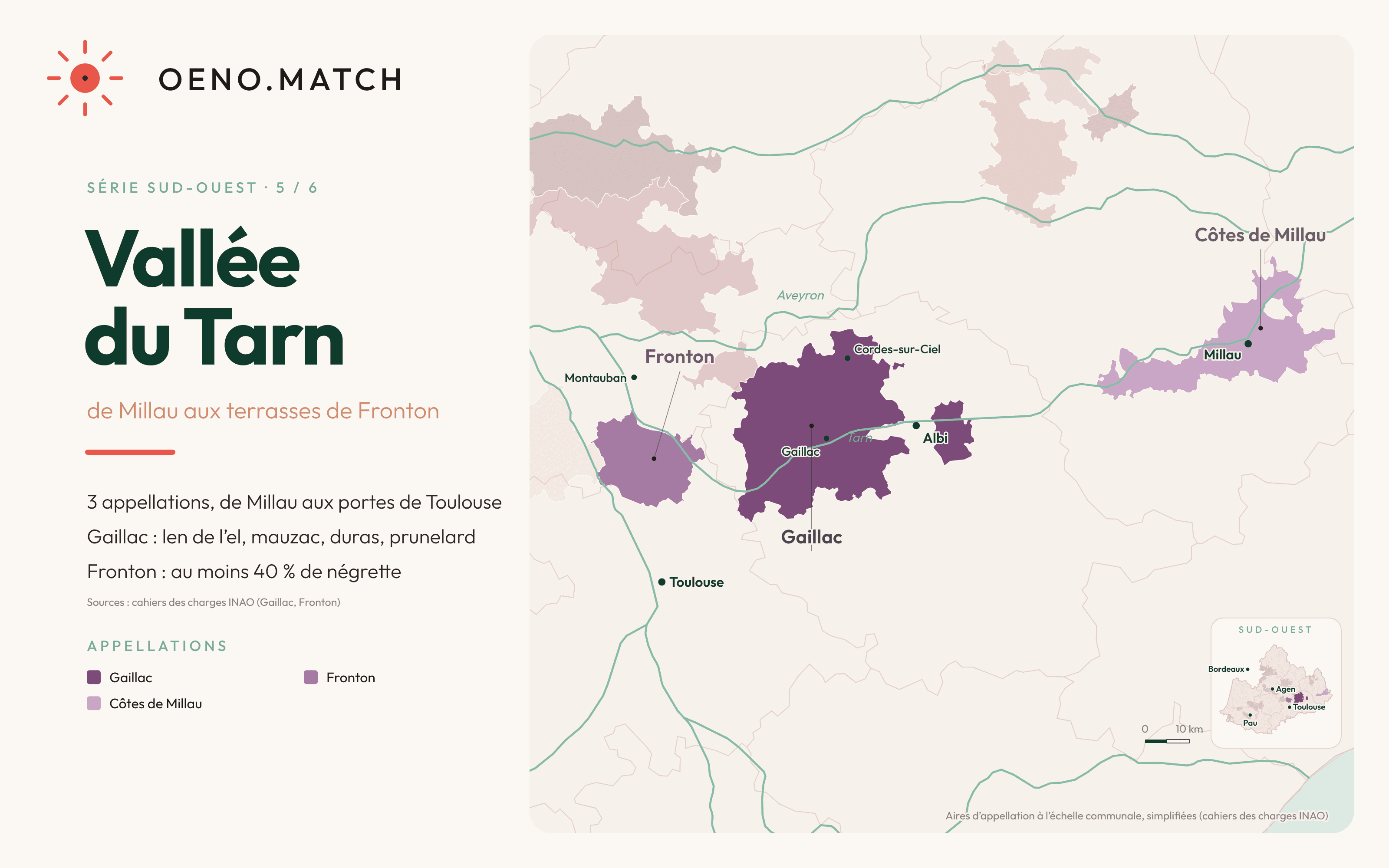
The South-West - Tarn Valley (5/6)
The Tarn flows through vineyards that have preserved grape varieties cultivated almost nowhere else. From Millau to the terraces of Fronton, this article tells the story of those who defended them. At Cahuzac-sur-Vère, Robert Plageoles searched old vines for plants that no one wanted anymore. Ondenc had almost disappeared, prunelard too. Mauzac survived in several forms, but few still knew all its nuances. Plageoles replanted and vinified them. He also revived a mauzac voile wine, aged under a veil of yeasts. His son Bernard took over at Domaine Plageoles and continues this conservation work. The labels highlight the names of the grape varieties, like an identity card. Visitors leave with a lesson in ampelography in bottles.
 Guide
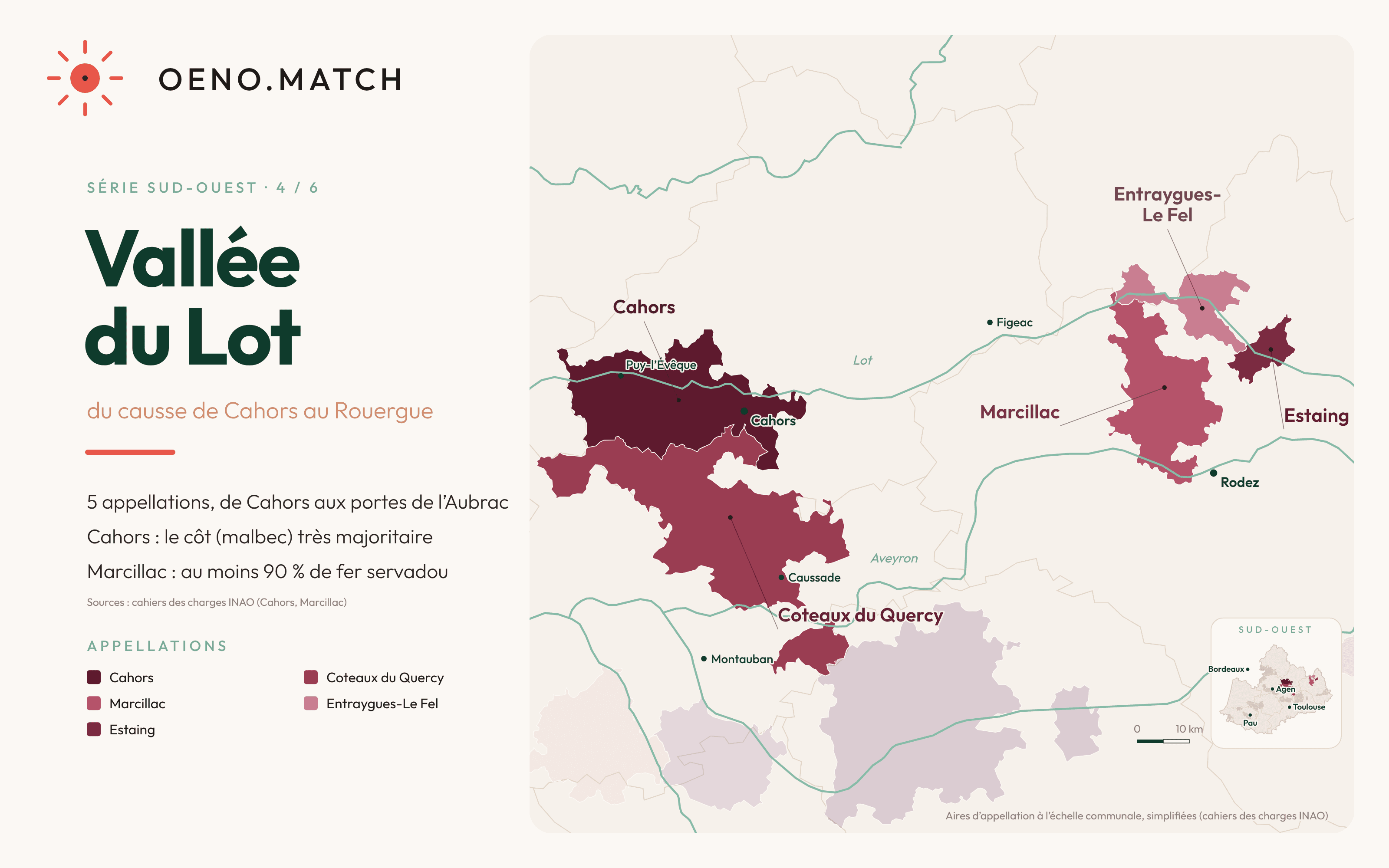
The South-West - Lot Valley (4/6)
In February 1956, an extreme frost destroyed much of the old vines in Cahors. Some families abandoned their vineyards, while others replanted and rebuilt the vineyard on the terraces of the valley. The Baldès family at Clos Triguedina, and the Verhaeghe family, who arrived in the late 1950s at Château du Cèdre, were among those who rebuilt, plot by plot. This reconstruction led to the AOC, obtained in 1971. A sector almost wiped out by frost regained a framework, rules, and a name to defend.
 Guide
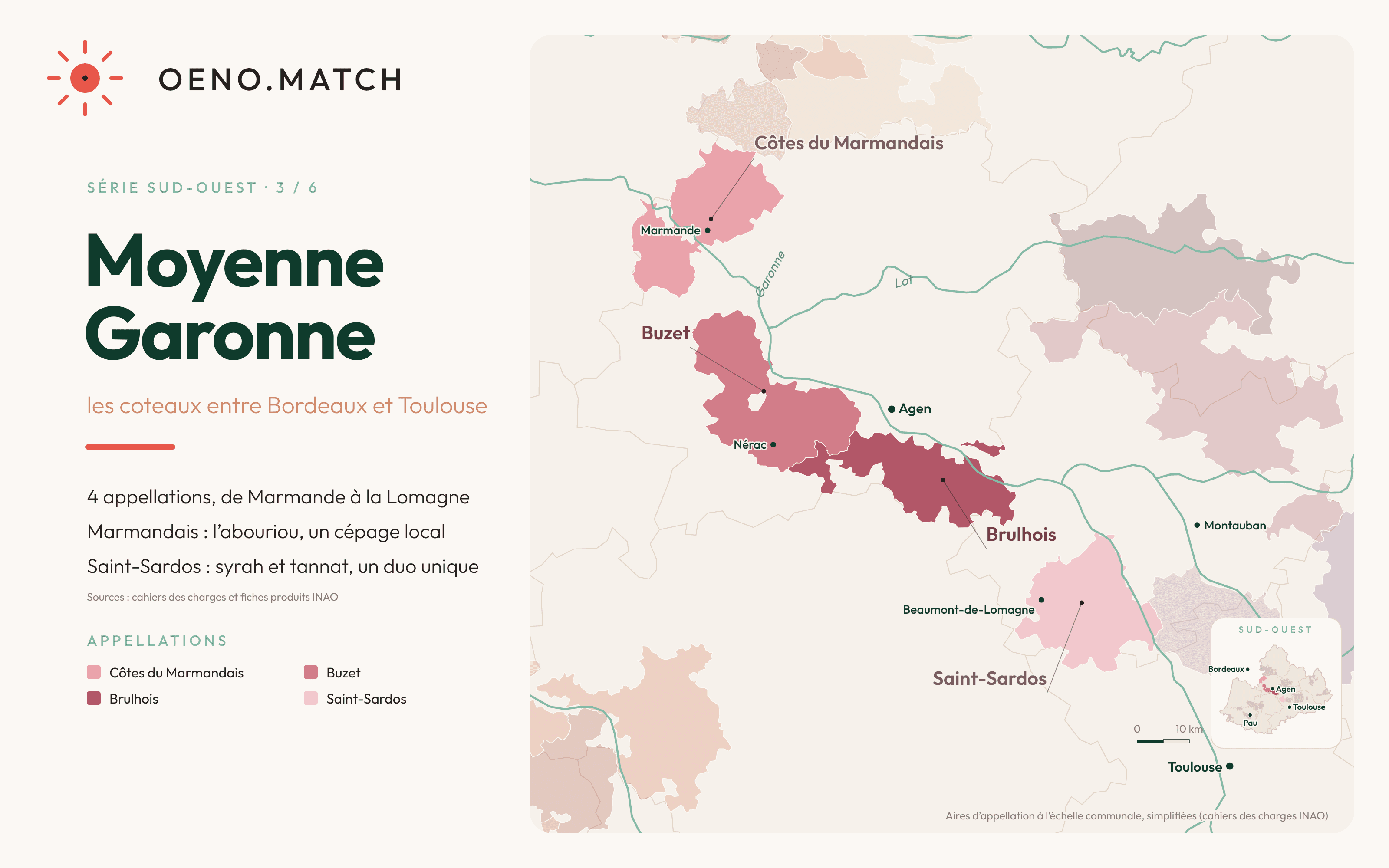
The South-West - Middle Garonne (3/6)
Between Marmande and Toulouse, the Garonne flows past vineyards that are often overlooked. These are lands of cooperatives and discreet winemakers, where Bordeaux grape varieties sit alongside local varieties. Elian Da Ros grew up in Cocumont, in the Côtes du Marmandais, within a family of winemakers. From 1992 to 1997, he…
 Guide
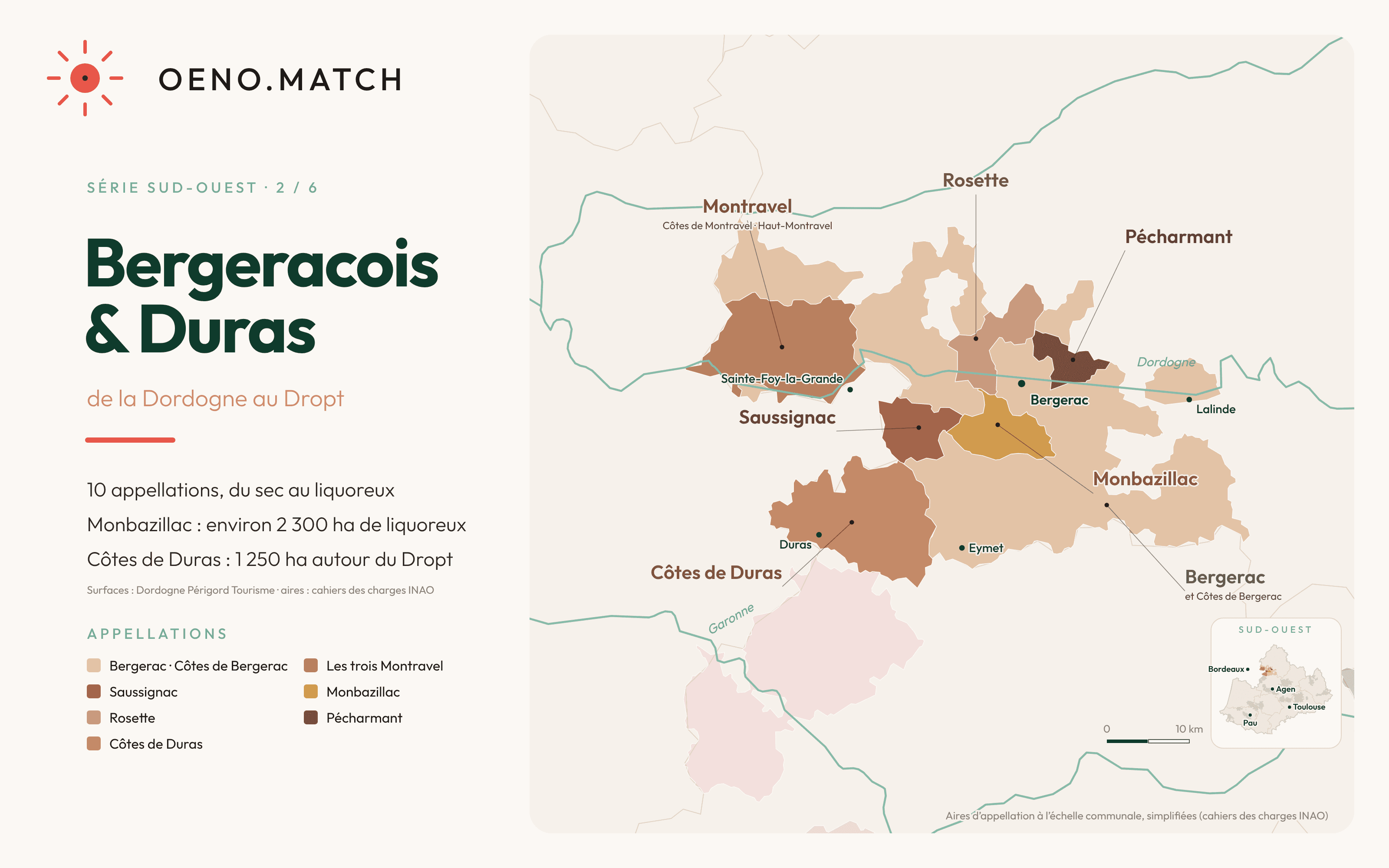
The South-West - Bergeracois & Duras (2/6)
Between Libournais and Lot-et-Garonne, Bergeracois and Côtes de Duras follow the Dordogne then the Dropt. This vineyard built its distinctiveness on sweet and dessert whites, without abandoning age-worthy reds. Its wines long traveled downriver toward Bordeaux, then toward ports in northern Europe. …
 Guide
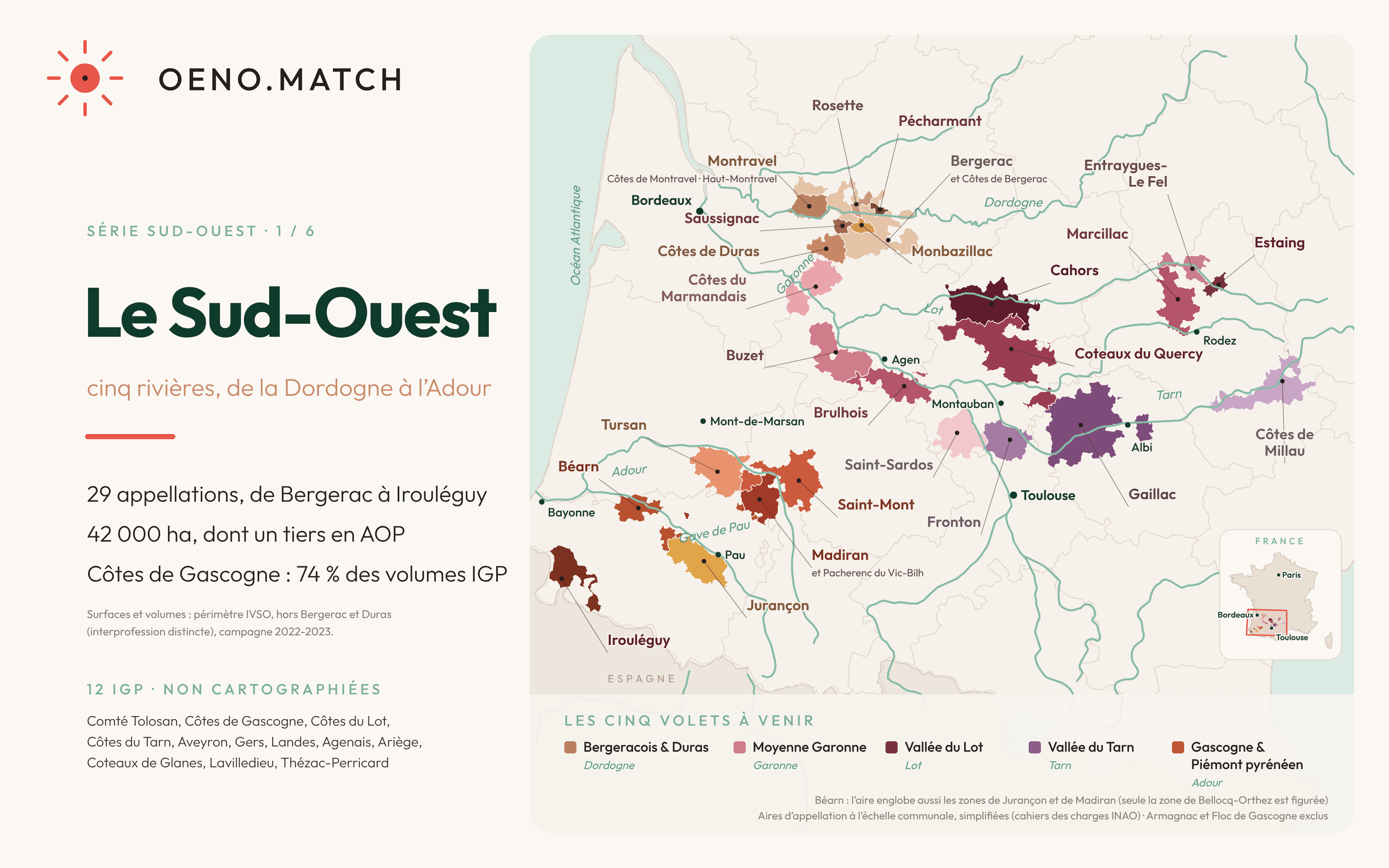
South-West - Discovery series (1/6)
From Périgord to the foothills of the Pyrenees, South-West wine country follows five rivers that carry their wines toward the Atlantic. Long held downstream by Bordeaux, it has preserved grape varieties and characteristics found almost nowhere else. A vineyard listed as a historic monument In 2012, a plot of Sarragachies, in the Gers, is listed as a Historic Monument. It is the first vineyard protected in this way in France. Its vines escaped phylloxera and have never been uprooted. They mix over a few rows varieties that nurseries no longer offered. Plaimont Producteurs, the cooperative of the sector, studies these plants and multiplies them to bring them back into cultivation.
 Guide
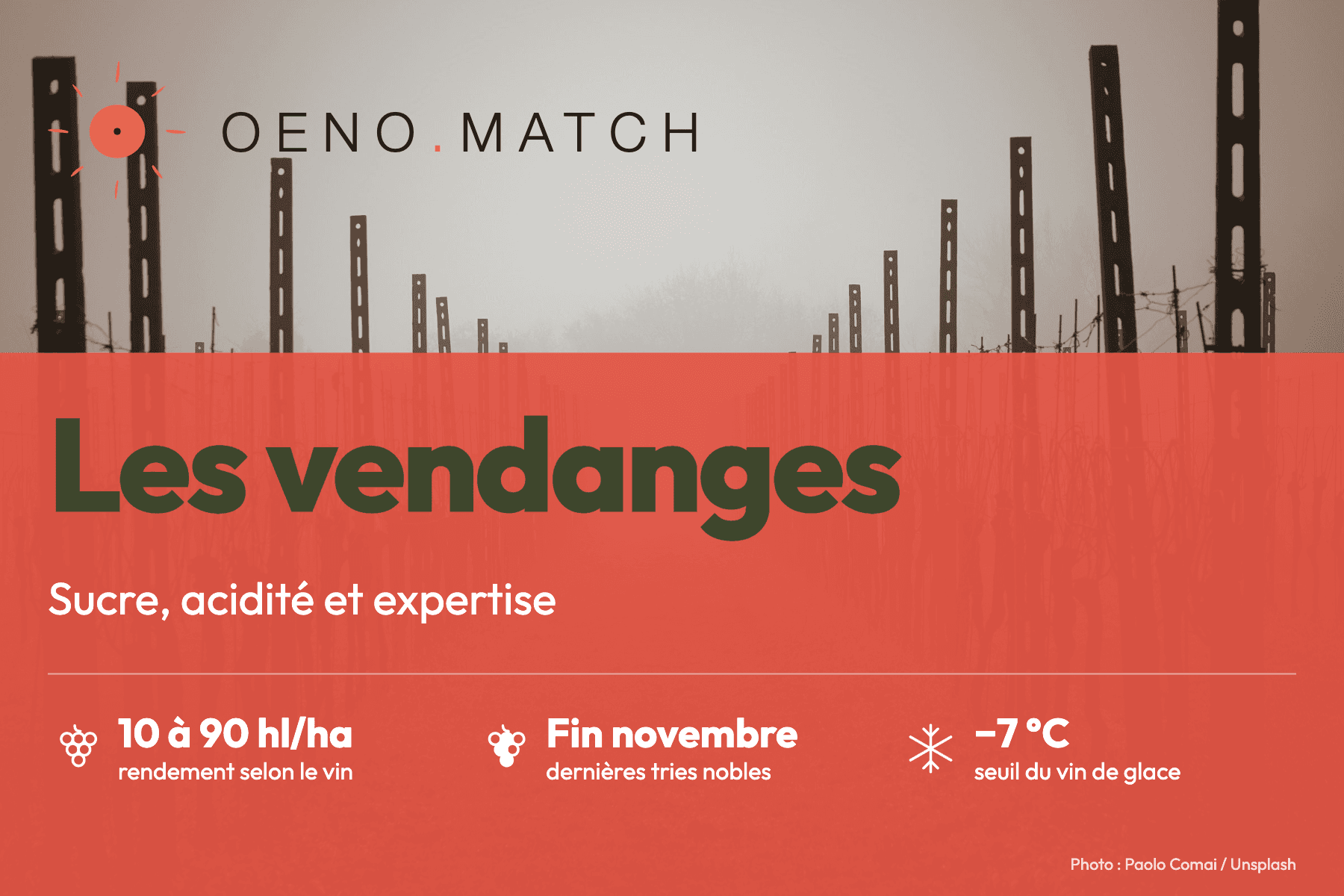
Harvest: a variety of expertise
October arrives. The leaves darken, the vines are stripped bare row after row, and in most European estates, the vats are already full. The harvest is finished, or nearly so. But while the vine enters its winter rest, a few winemakers wait still, eyes fixed on the thermometer or on bunches covered with a veil of golden mold…
 Guide
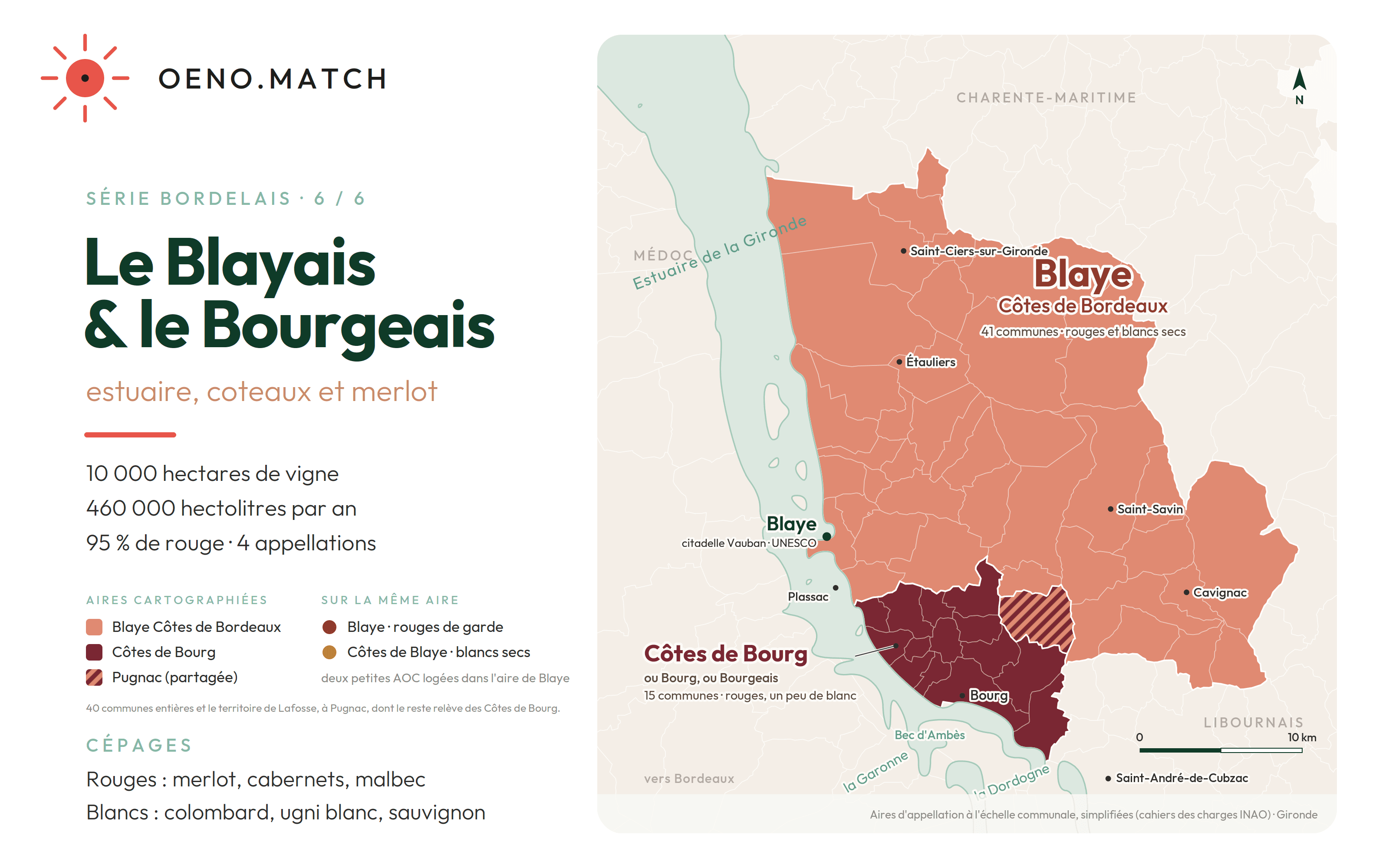
Bordeaux - Blayais and Bourgeais (6/6)
Between the Gironde estuary and the Charente hills, Blayais and Bourgeais occupy a geographical position that few enthusiasts truly know how to place. Yet this dual region produces approximately 460,000 hectolitres annually across some 10,000 hectares, with 95% red wines and the remainder dry whites. A considerable volume…
 Guide
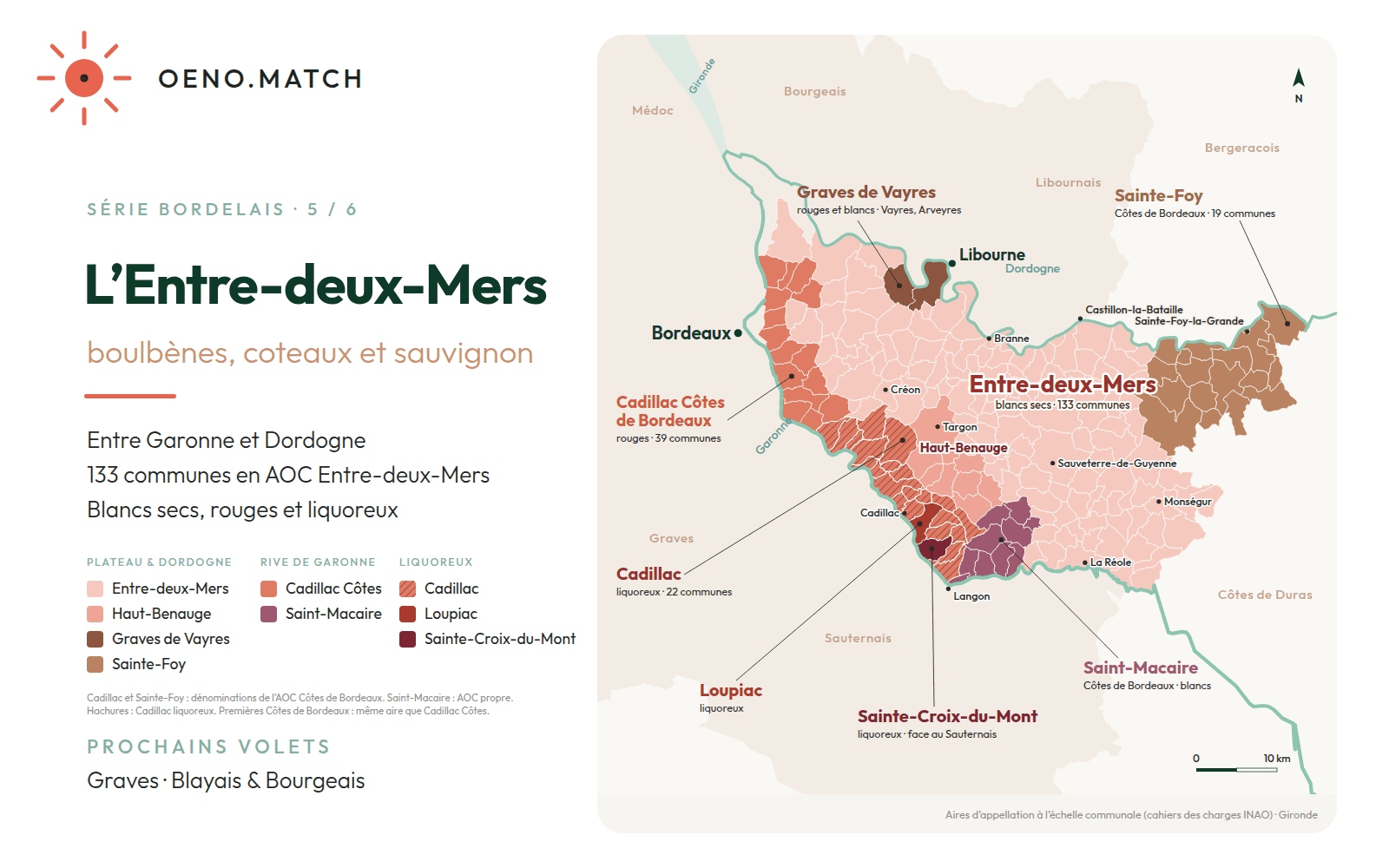
Bordeaux - Entre-deux-Mers
Between the Garonne and the Dordogne, a vast expanse of vineyards stretches across approximately 5,000 hectares, squeezed between two rivers that gave it its name. Entre-deux-Mers is not a sea, of course, but this triangular territory in the heart of Gironde has long been perceived as a distinct space, neither quite left bank nor quite right bank, with a viticultural identity that enthusiasts sometimes struggle to grasp correctly.
 Guide
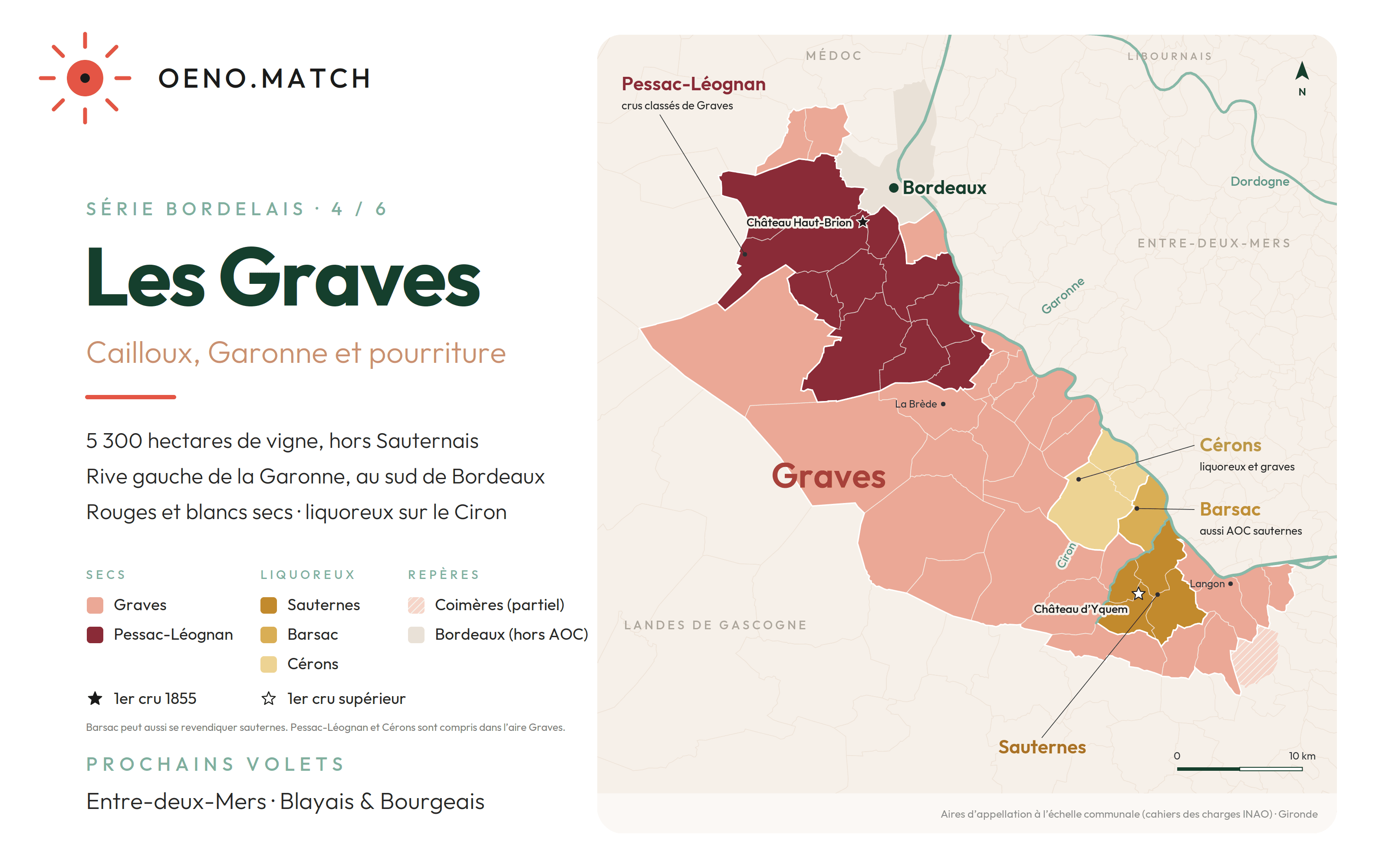
Bordeaux - The Graves (4/6)
The Graves are one of the oldest vineyards in Bordeaux. Vines have been present there since Roman times, and it is in the Middle Ages that the name of the region appears, directly inspired by the rolled pebble soils that characterize it, the grabas of Burdeus. These graves, pebbles shaped by the Garonne, are determining factors in the viticultural identity of this sub-region: they drain water and accumulate heat during the day which is released at night. Planted in close proximity to Bordeaux, on the left banks of the Garonne and Gironde, these vineyards extend over 5,300 hectares and produce approximately 220,000 hectoliters per year.
 Guide
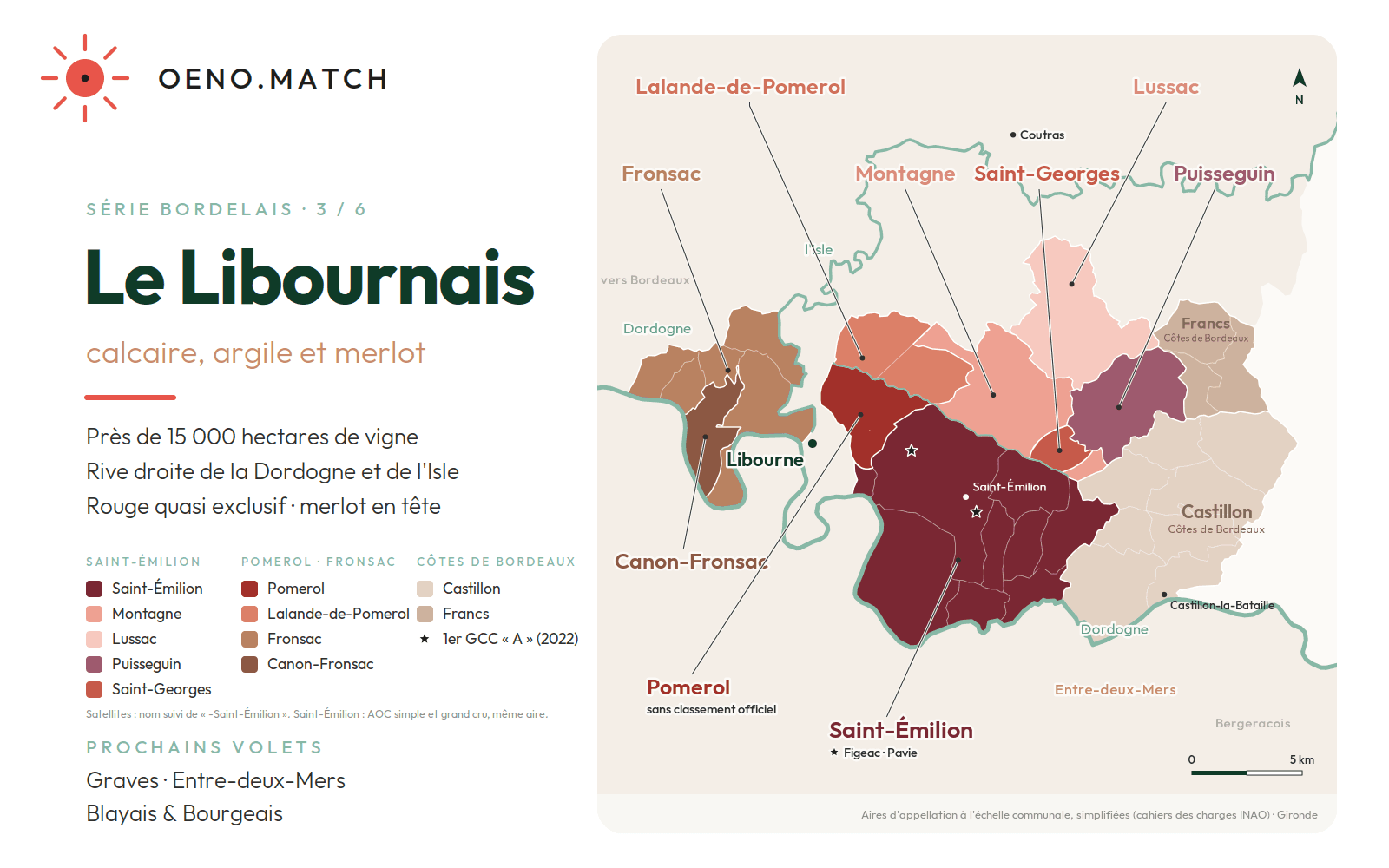
The Bordeaux Region - Libournais (3/6)
Libourne, founded in 1270 by Roger de Leyburn, English seneschal of Gascony, long served as a commercial lock on the Dordogne before becoming the heart of one of Bordeaux's densest vineyards. The town gives its name to an entire riverbank, and this riverbank has come to build a viticultural identity radically different from that of the Médoc, despite being situated just tens of kilometers away as the crow flies.
 Guide
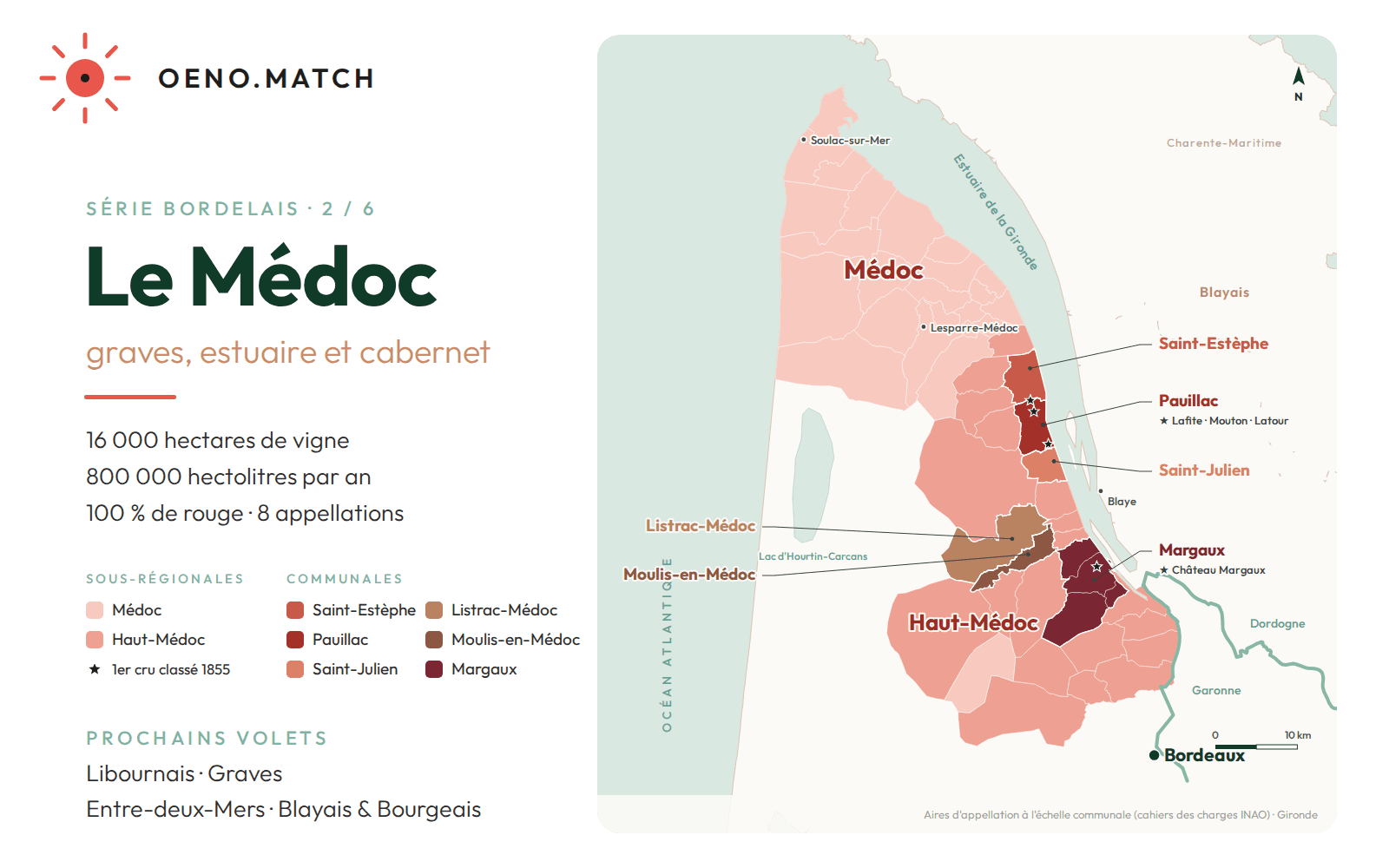
Bordeaux - Médoc (1/6)
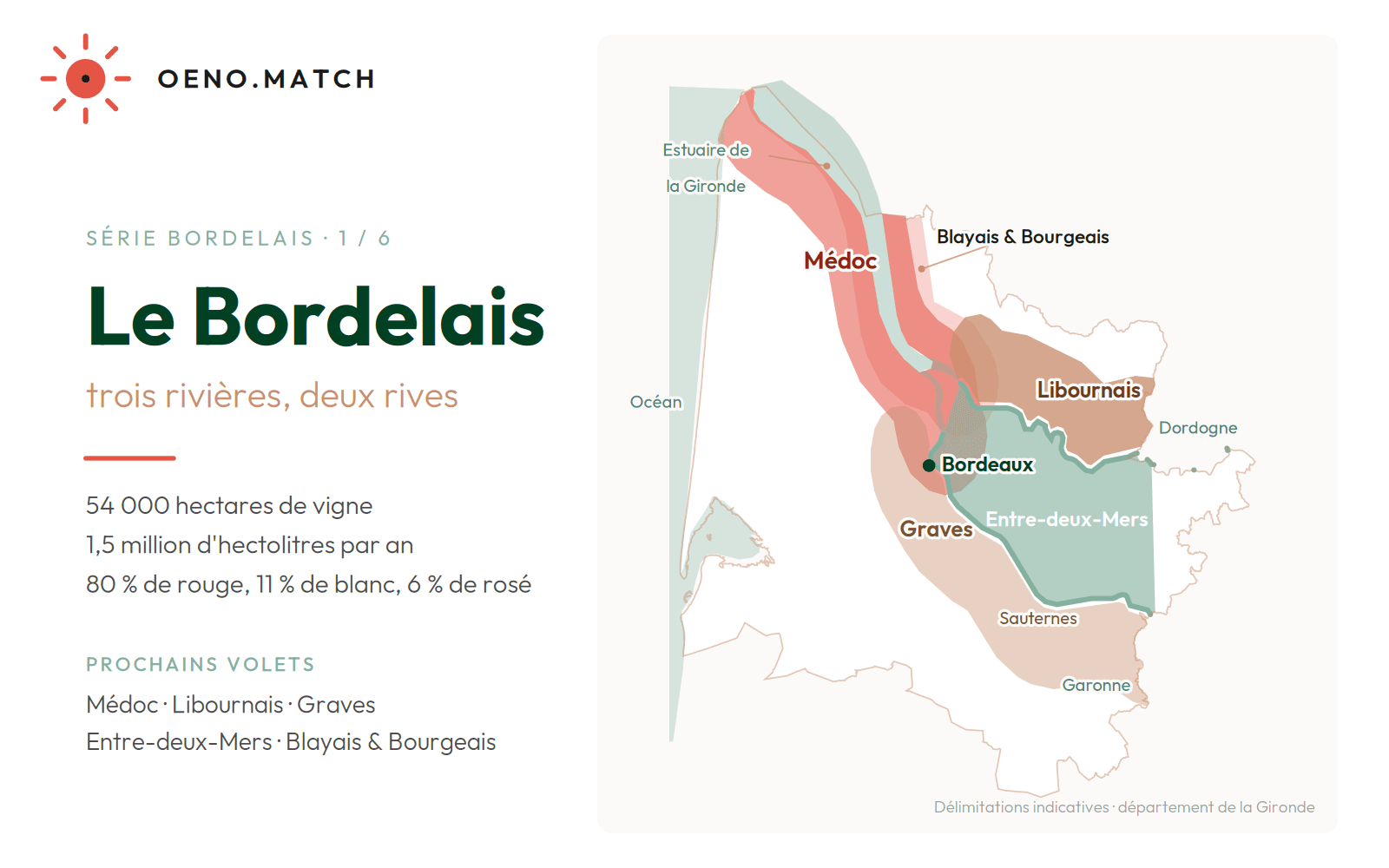
Médoc, the left bank in red On a map, Médoc looks like a strip of land wedged between the ocean to the west and the Gironde estuary to the east. The vineyard has settled along the estuary, on a band more than 80 km long and about ten kilometers wide, from Blanquefort, at the gates of Bordeaux, to Saint-Vivien, almost at the tip.
 Guide
Bordeaux - Discovery Series (1/6)
Bordeaux is probably the most famous wine region in the world. Yet this reputation masks a reality: few consumers understand the diversity of its terroirs and the complex layers of classifications that compose it. Nevertheless, the region produces wines of great aromatic complexity that deserve closer examination.
 Guide
Napa Valley - a tourist trap?
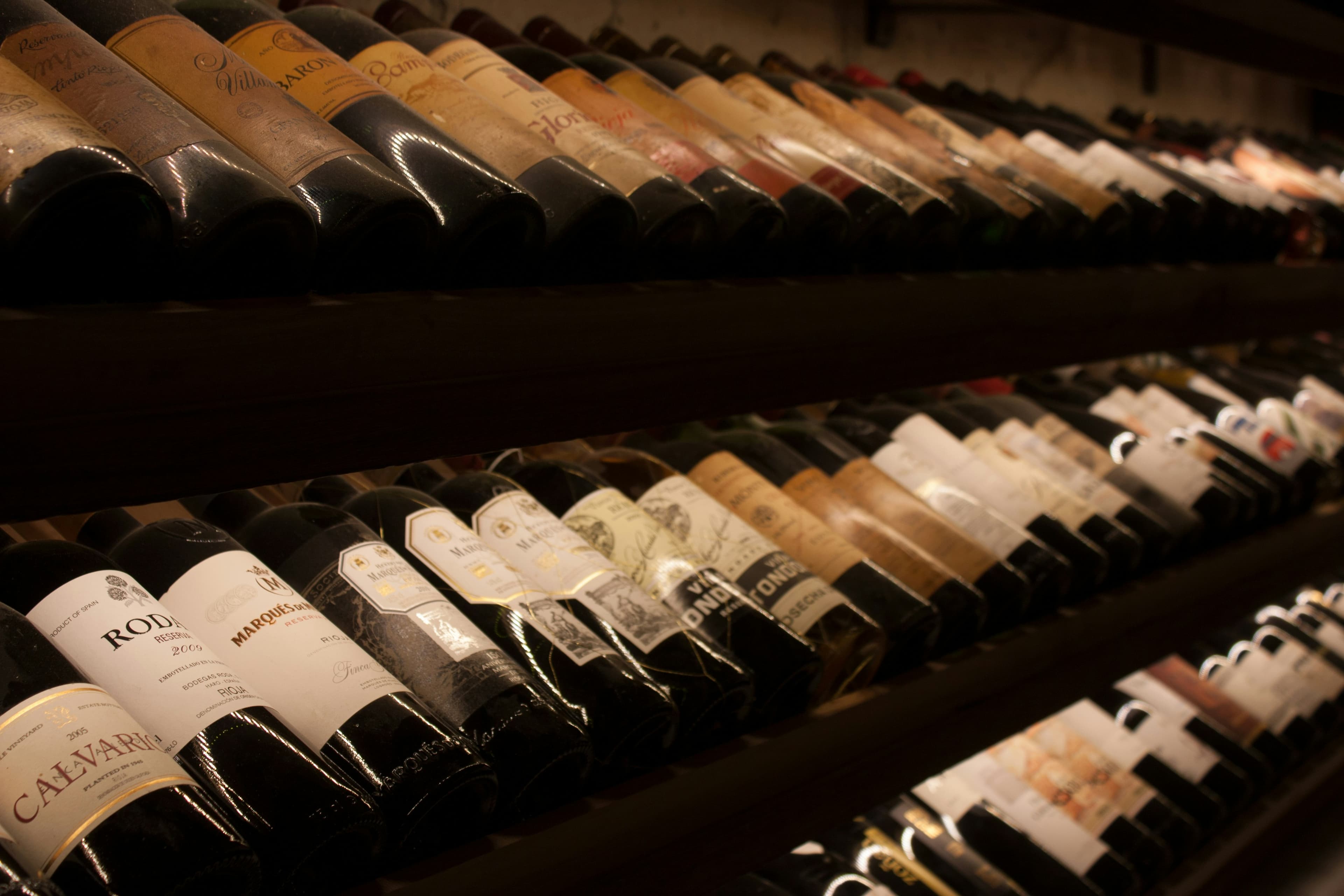
"We booked three tastings over two days, spent 400 dollars, and honestly we could have done the same thing in any upscale supermarket. We never saw a winemaker." This remark, heard outside a tasting room in St. Helena, sums up fairly well what many European visitors report about Napa Valley. The California appellation is one of the most visited in the world, and that is precisely what complicates access to it.
 Guide
Choosing wine as an expert
Choosing wine when you already master the oenological basics requires a more refined approach, where expertise allows you to go beyond conventional criteria to favor more subtle considerations. Analysis of the tasting context Beyond the classic food-wine pairing, the expert considers the entire situation...
 Guide
When experience surpasses wine: how wine regions are reinventing tourism
The time when vineyards themselves constituted the heart of a visit to wine regions seems over. According to VinePair, what once attracted visitors — the possibility of contemplating rows of vineyards — is no longer the essential component of a day at the winery. Modern wine tourists seek more of an immersion in the property's facilities, equipped tasting rooms and on-site activities than direct access to productive vines.
 Guide
Bordeaux vineyards
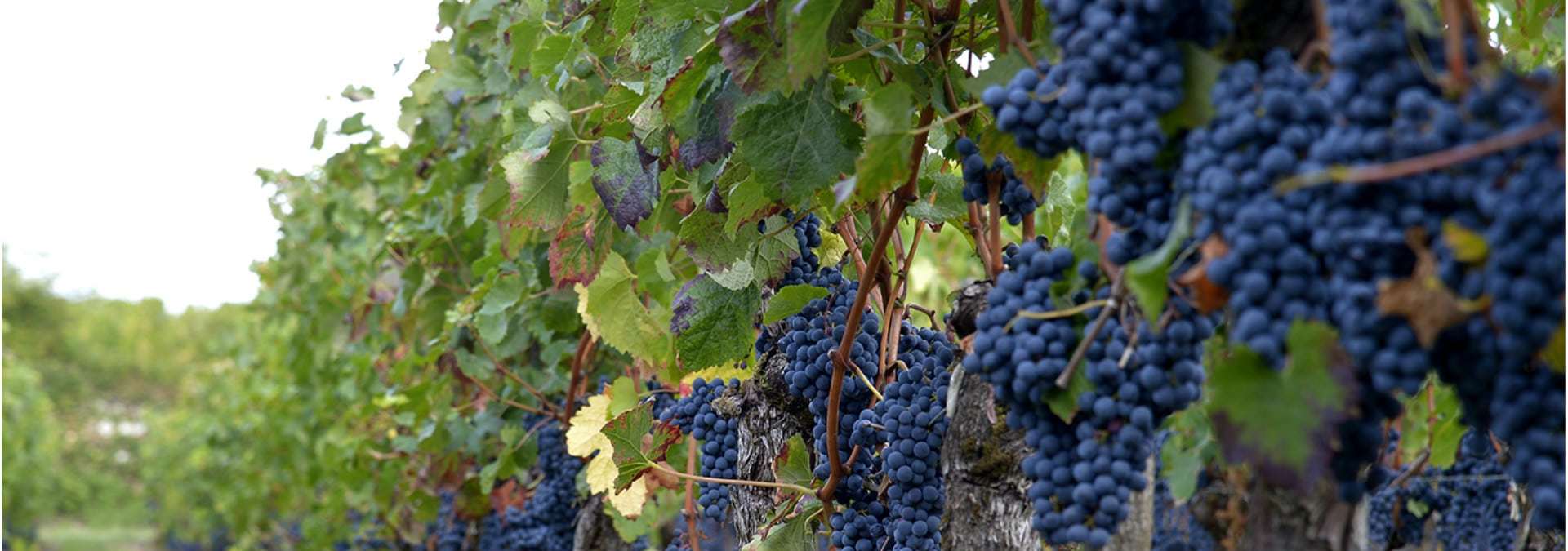
Bordeaux vineyards span 110,000 hectares and rank among the world's most prestigious wine heritage sites. This region has produced wines that define French excellence for centuries. Behind the international reputation lie complex technical and human realities. The vi...
 Guide
Art in open cellars
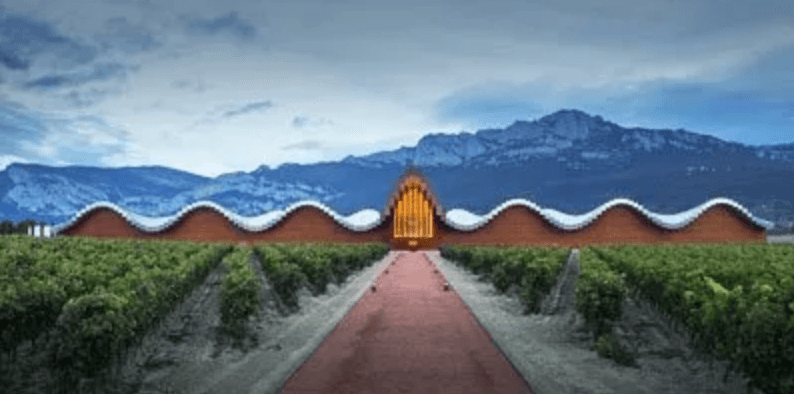
La Rioja has undergone a profound transformation over the past twenty years. Wine estates are no longer just production sites. They are reinventing themselves as cultural destinations where architecture and design dialogue with the vine. This trend, which emerged in California and Australia, has taken root in Spain...